As one does in a small, lean organization, I’ve held various roles during my time working with Women Work Together during the past five years. I’ve helped to design programs, documented stories and created content for the blog and social media, led evaluations, trained team members in data collection and analysis, translated English to Spanish and Spanish to English, organized fundraisers, met with donors, been a donor, and now, taken photographs. I live in the U.S. and only travel to Guatemala about once a year, though often I spend several weeks in-country each time. These visits consist of 12+ hour work days, rushing to meet with everyone, visiting communities, gathering supplies, running errands, and fulfilling social obligations. Rarely is there time to stop and talk one-on-one with the girls, who are the recipients of our efforts.
On my last trip, I decided I needed to take a moment and visit. As a last-minute addition to our day’s itinerary, our staff managed to get ahold of one mother-daughter pair, and I had the good fortune to stop by their home. What I learned during that visit drives my work every day.
Our entourage arrived in the small community of San Pedro Petz just before lunch. I call it an entourage because that’s what we were--Guatemalan board members, Guatemalan staff, visiting U.S. board members, my own mother, and myself--all disentangling ourselves and climbing out from cramped positions inside a single hired vehicle. We crowded around the fenced entrance to one home, eager to know the people who lived inside.
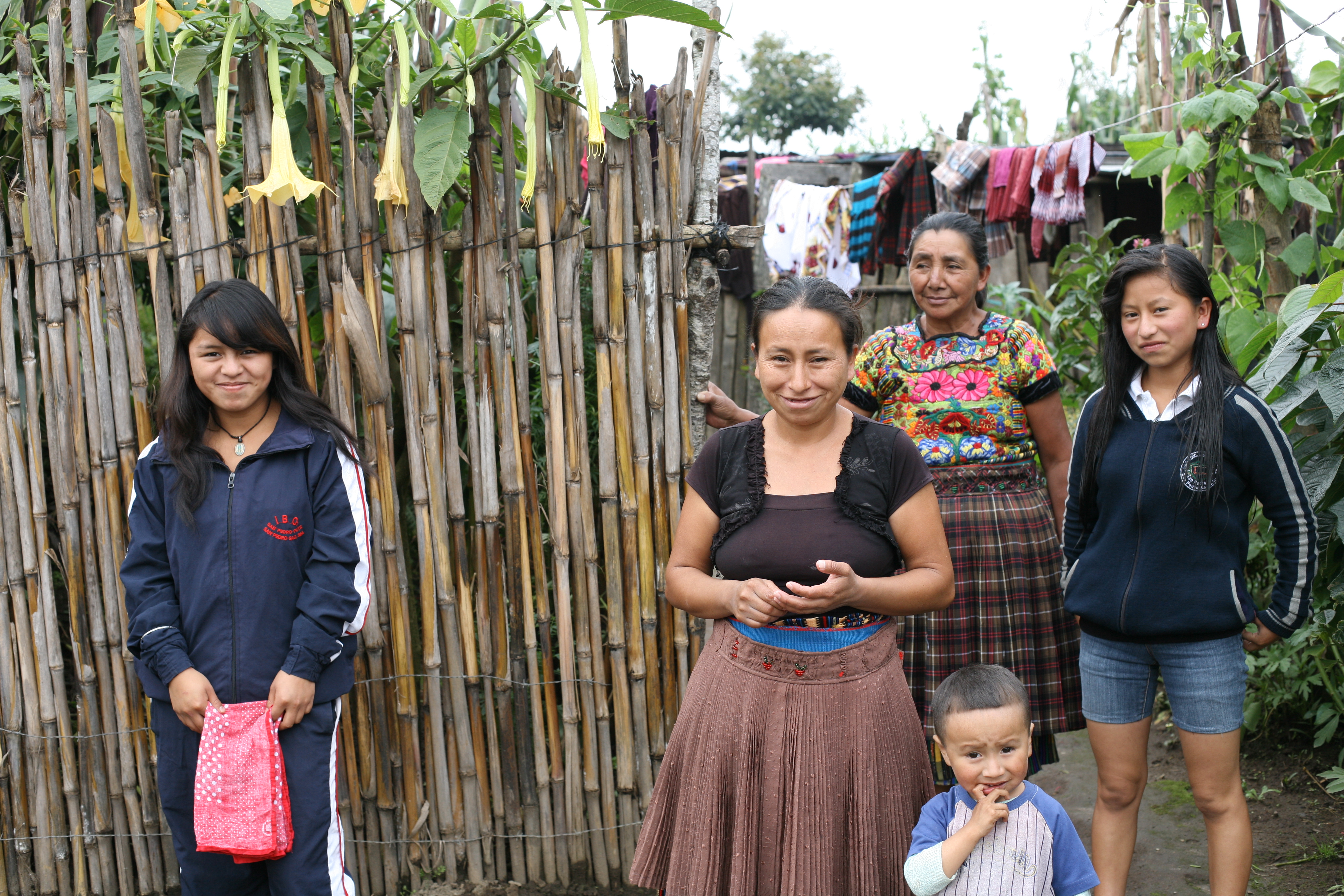
This was my third visit to San Pedro Petz, which had unfortunately been devastated in the year prior by an earthquake. One of the school buildings near the main plaza had collapsed, its remains were cleared for safety; other buildings had fallen entirely. The physical crumbling of buildings only seemed to be a slap in the face to a community that prides itself so entirely on its wealth. More so than in other villages, San Pedro Petz proudly showcases two story homes, whose insides often contain to-date televisions and refrigerators. These homes are paid for by the community’s men, who leave school as early as possible in order to head north to the U.S. in search of work.
San Pedro Petz had become a community where the definition of what it means to be a man is to head north, a practice spanning back three generations at least. Young people can look forward to a bifurcated life in which for a boy to be a leader, he must leave, and for a girl to be respectable, she must stay, care for the home and family, and not do anything that might cause shame to fall on the family while the husband is away making such a huge sacrifice.
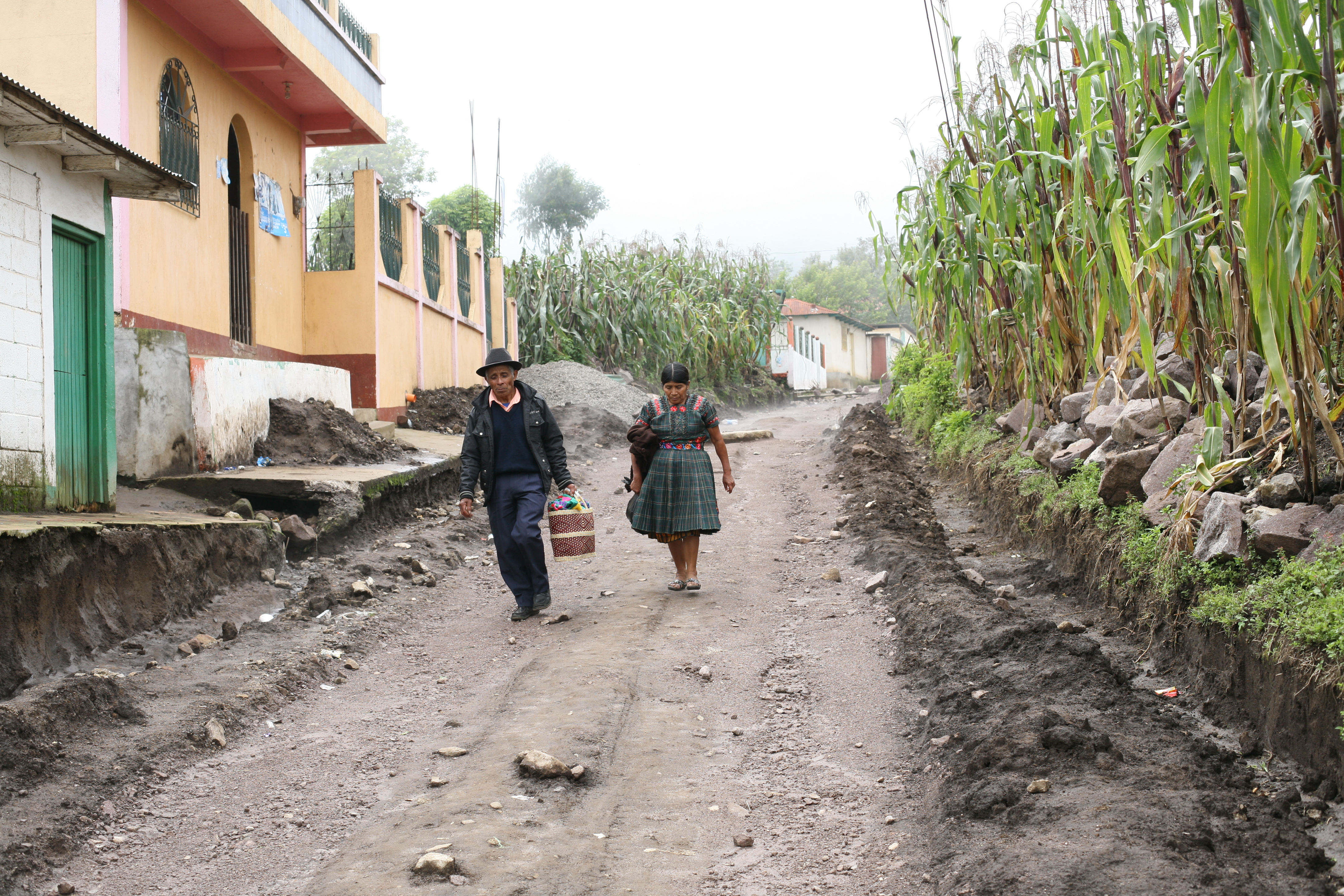
While San Pedro Petz is one of the closer communities to the urban hub of San Pedro Sacatepéquez, at a little more than a half hour’s drive down a combination of paved and dirt roads, it is culturally perhaps the most remote. Of the 17 local districts, this village is considered to be the most traditional; more women wear traje (indigenous clothing) than elsewhere, and machismo (the belief and actions that support men’s superiority) pervade local practices, like not sending girls to school. Citizens of San Pedro Petz have always viewed themselves as traditional. This dates back centuries, to when San Pedro Petz was a regional hub of Mayan economic and political activity.
Rumor and gossip are powerful forces locally, and no one wants their family to be the source of any tongue-wagging. There are spotty anecdotes of women’s autonomy in the absence of men, such as a woman who used her husband's remittances to purchase a pickup that she now uses to run her own delivery business. More frequently, however, one hears of shameful wives who squander their husbands’ and sons’ hard-earned money. A man may return home after ten years only to find a half-built house, kids on drugs, and another man in his bed. Fear of public criticism drives non-progressive behavior, leading to high rates of school attrition for local girls compared to other villages.
Because of strict cultural beliefs and little support for girls’ education, the staff of Women Work Together thought strategically about how to enter and foster trust in the community. “We can’t do too much, too soon,” was the guiding principle of our Program Director. At first, only enough girls attended our workshops to fill one program level. Over time, though, more girls entered 7th grade and remained through 9th grade, fleshing out all three consecutive levels of our program.
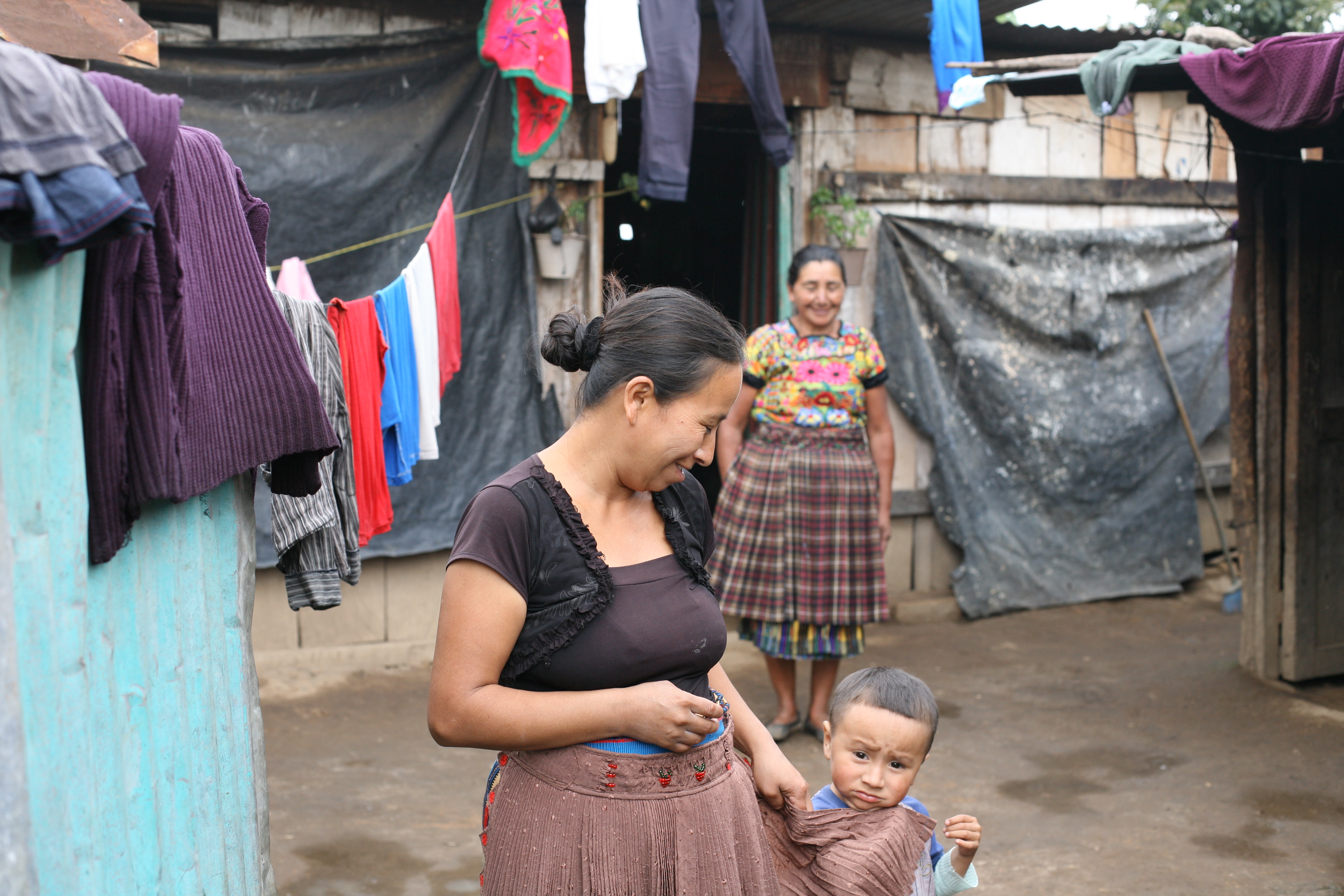
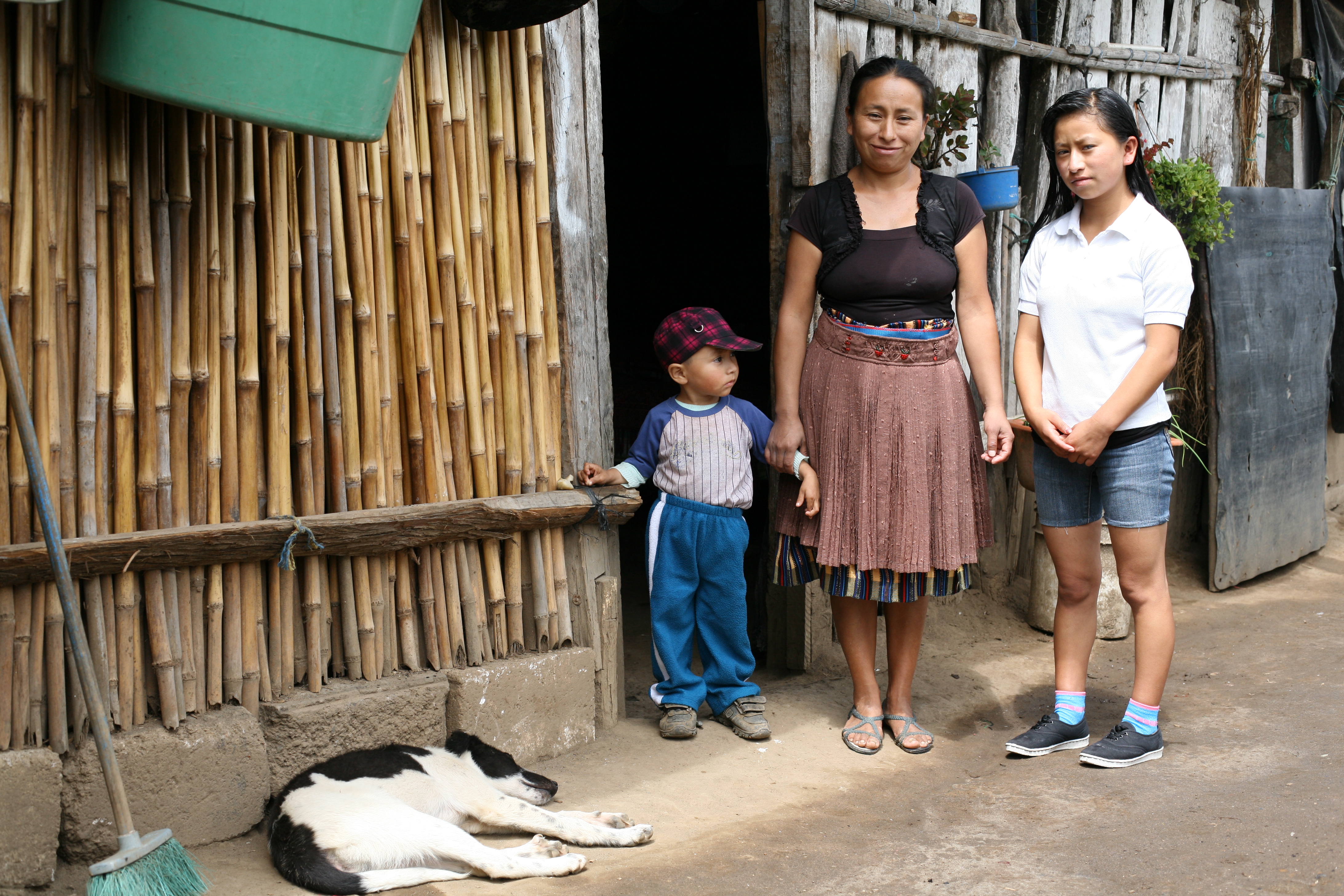
Upon our arrival, a cheerful woman came to the garden’s entrance. She wore a delantal (apron) over her corte (traditional skirt). She welcomed us all inside. I led, and before anyone in our group could follow, I turned about face and chased them all back out through the garden’s doorway, quickly explaining, “There’s no way I can interview this girl with everyone standing around and staring at us!”
I found myself alone with the family, who stared back at me waiting for the interview to begin.
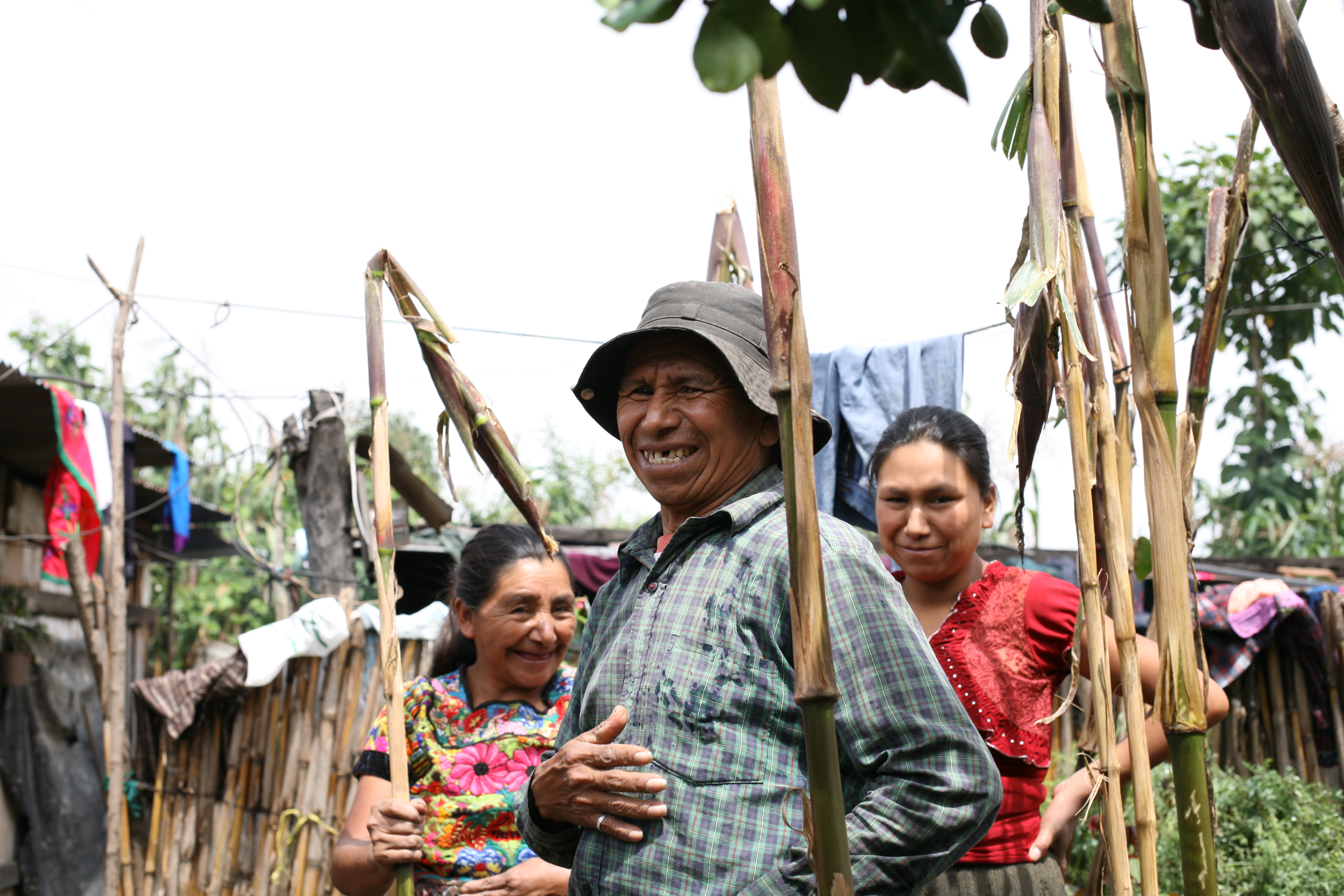
I looked around the garden for a topic of conversation to present itself. Stalks of corns filled the garden, haphazardly popping up amongst lines of laundry strung between the house and the pila (washing area). Before I could speak, the mother, 32 year old Doña Ersilia Susana, bade me enter their home, a small wooden room with a dirt floor.
Doña Ersilia motioned to a narrow bed, which served multi-purpose as furniture and a place to sleep. I sat, and noted that a young girl reclined on an adjacent bed. She was combing her freshly washed, long black hair. The ends dripped water onto her school uniform, leaving wet spots.
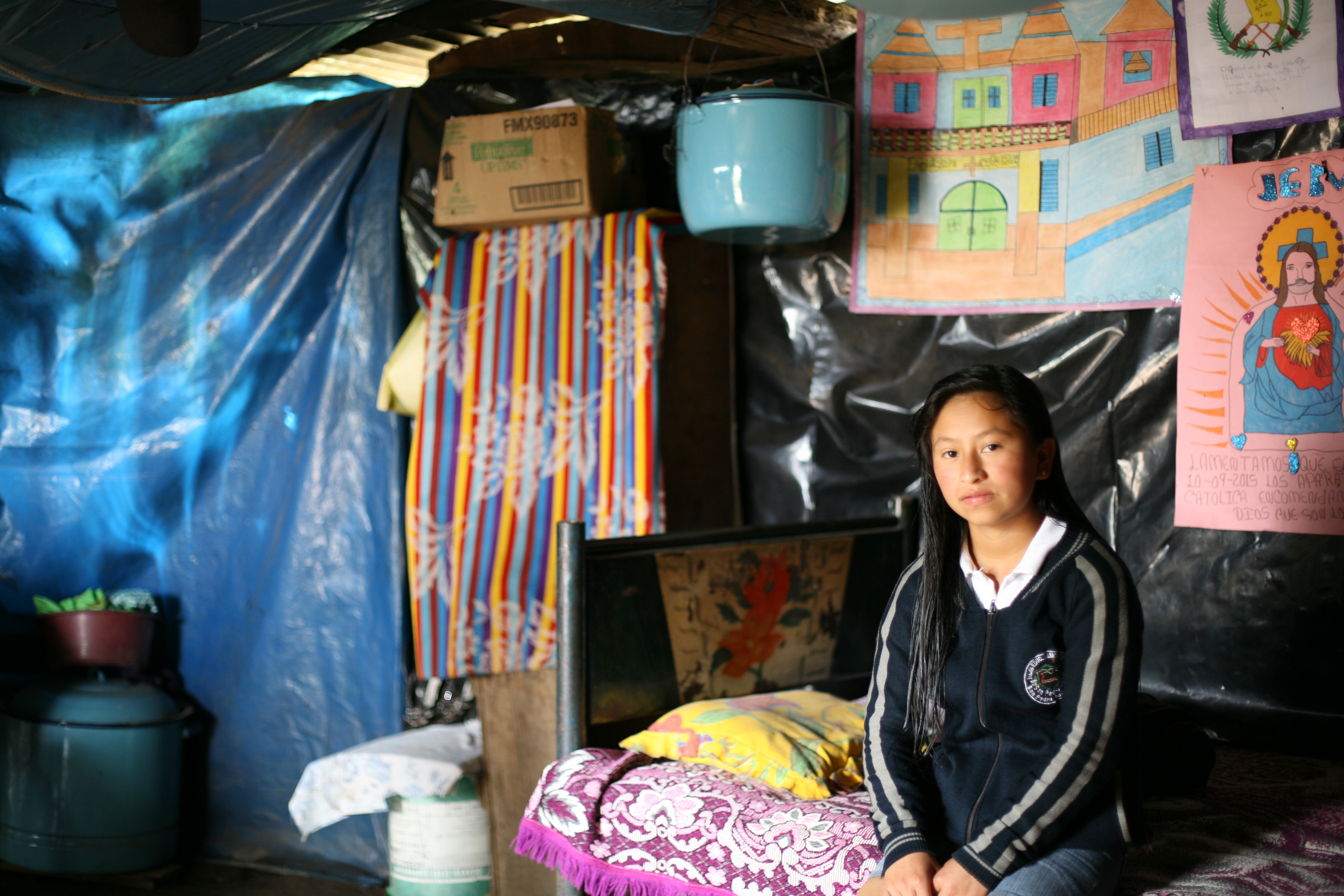
This was Margarita.
As I opened my little notebook and uncapped my pen, Doña Ersilia sat down at my side. Her daughter stayed where she was, making for a slightly awkward, too-far distance for intimate conversation. Margarita’s father planted himself squarely in the middle of the room, crossing his arms, and leaning against a post.
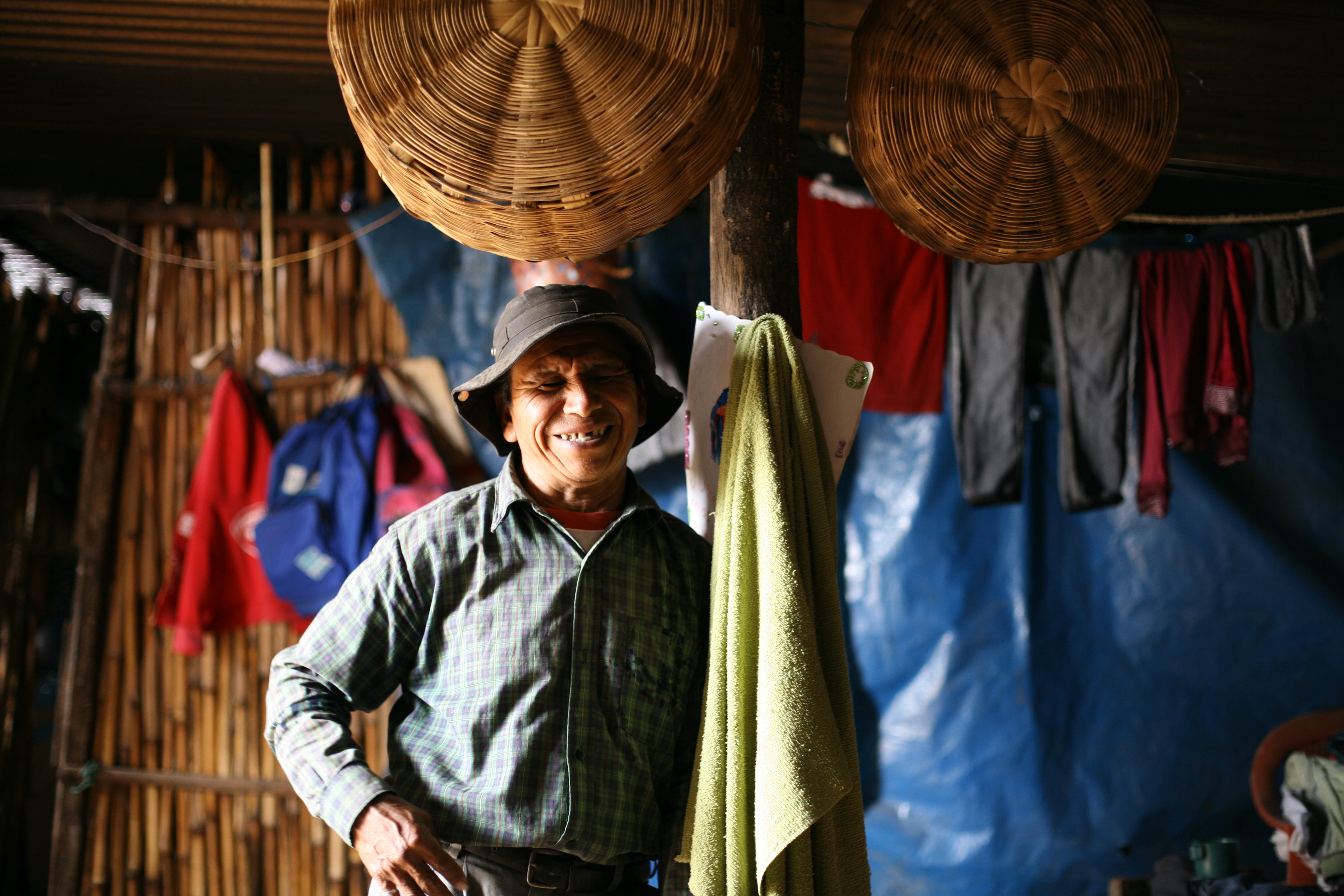
He was not the first man who had presented himself throughout interviews I’ve conducted with women at home. I’ve found that men often locate themselves in the interview space, whether to assert authority and monitor their wife or daughter’s stories, to assure their security, or out of mere curiosity. Men’s presence, I’ve found, can dramatically alter what women and girls are willing to say. Honest narrative is often sacrificed in favor of saving face, and stories rarely flow as readily under a man’s watchful eye.
Still, Doña Ersilia was eager to talk. I was surprised by her chattiness. Mothers, I had found, were often hesitant to speak. They answered questions quietly, dutifully, with their hands folded in their laps and heads tilted downward. Not Doña Ersilia. This woman wanted me to know how much our program had impacted her family!
“At first,” she said, “There were a lot of questions. I didn’t want to answer them. But little by little I began to remember.”
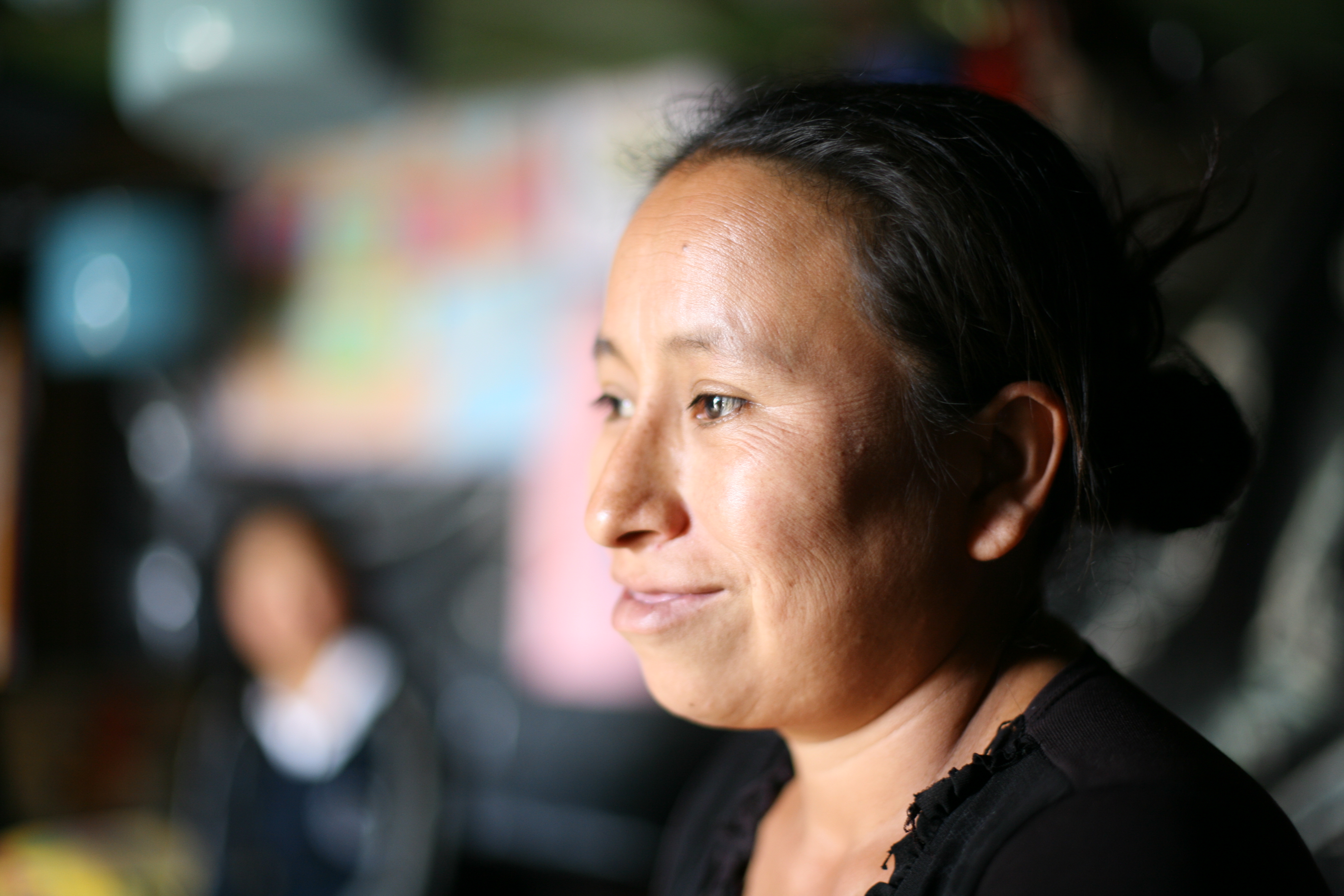
Doña Ersilia was a participant, with her daughter, Margarita, in our first-year program, The Life of My Mother. In this program the girls interview their mothers about their childhoods and, over the course of the school-year, write and illustrate a book about their mothers.
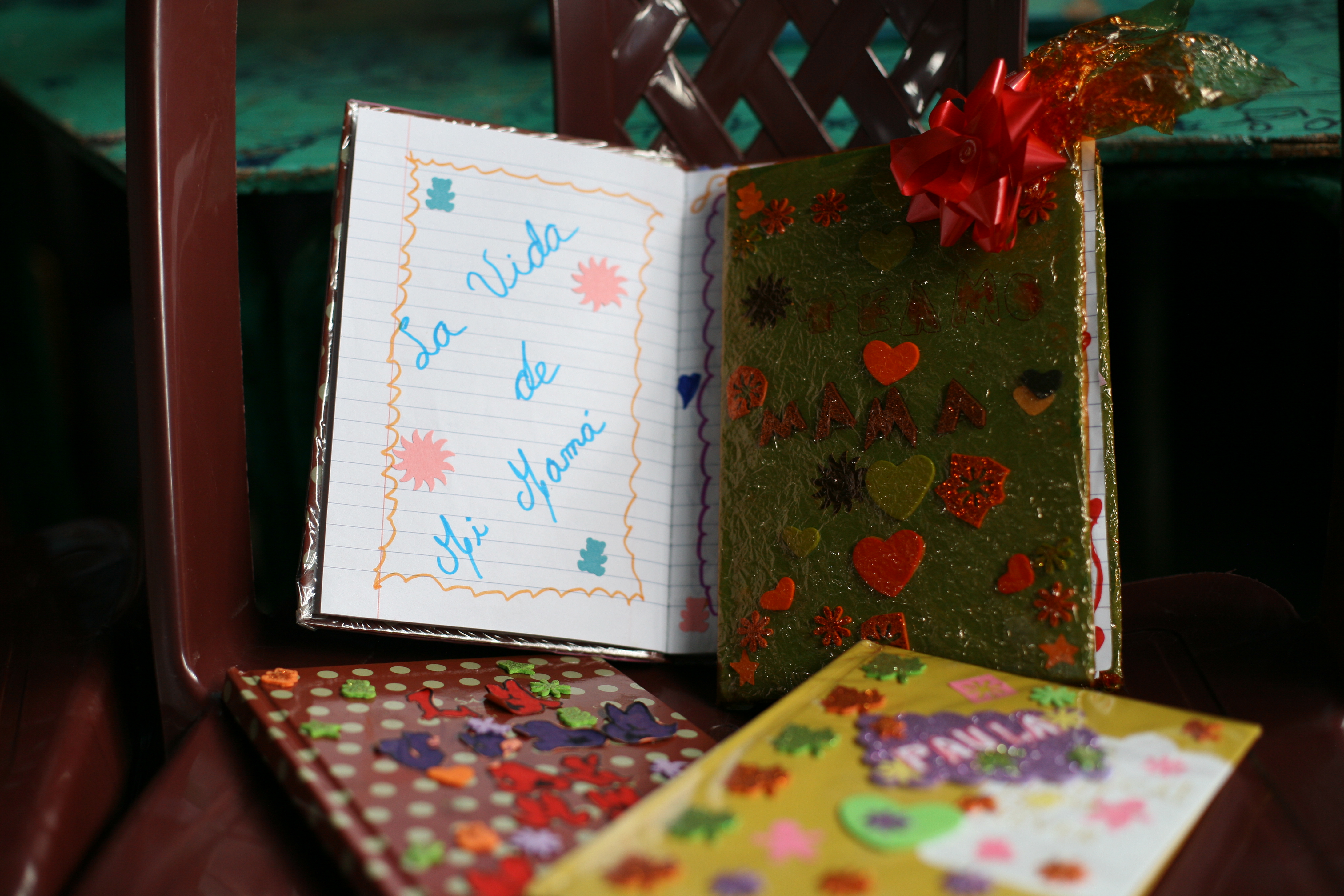
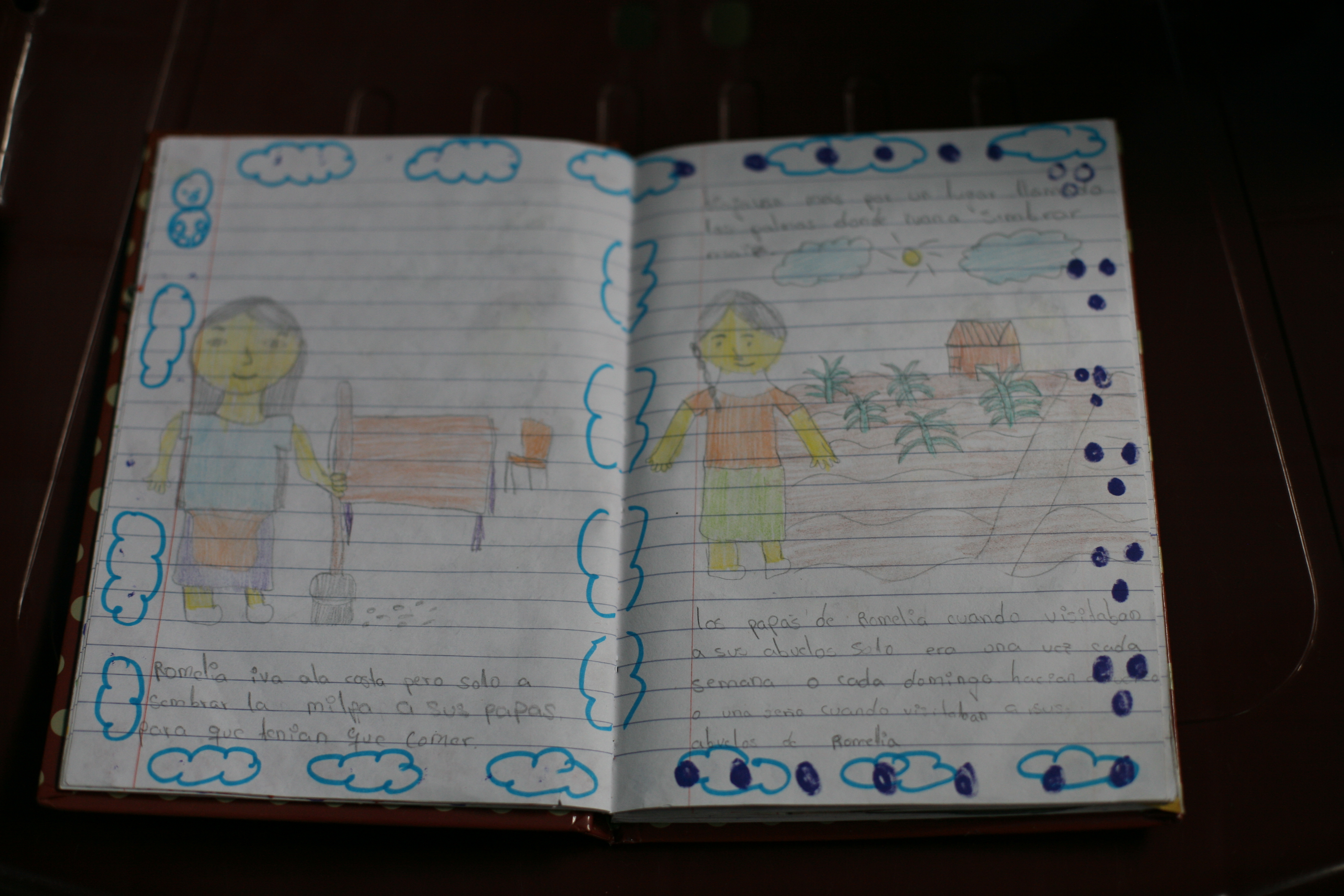
The project encourages mothers and daughters to develop good communication skills. Mothers learn to use their life experiences to educate their daughters, and daughters practice listening to and seeking advice from their mothers, which will hopefully aid them in the teenage years ahead.
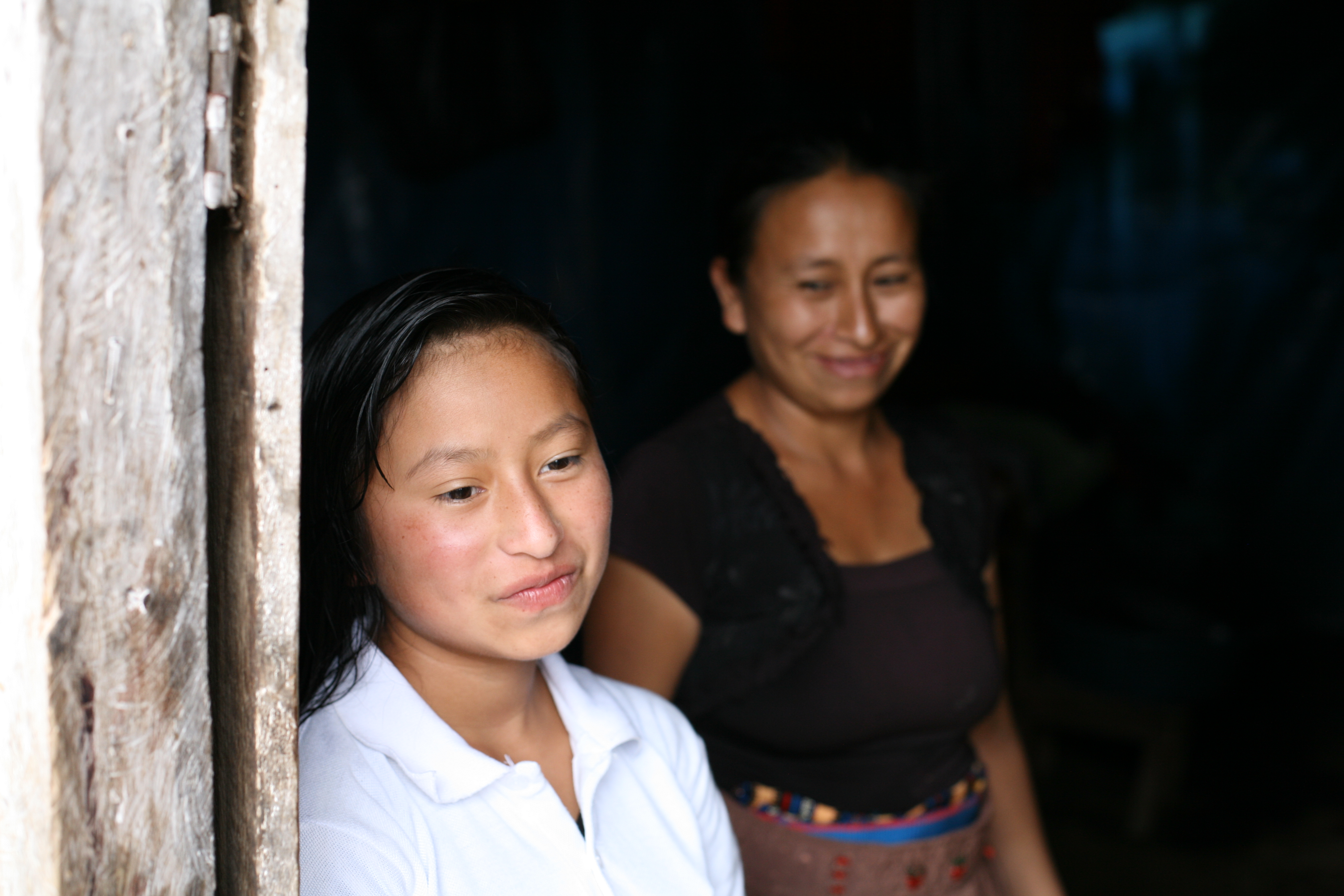
“I said to her; I advised her: don’t play with bad friends. Have patience,” Doña Ersilia told me. She explained that she had gotten pregnant at the age of 17. She wanted more for Margarita. “I don’t read or write. I didn’t go to school,” she said. Doña Ersilia looked around her two-room house and back at me before continuing, “We’re poor. We don’t have a lot. My parents couldn’t give me an education. But I believe that investing in education is the best investment.”
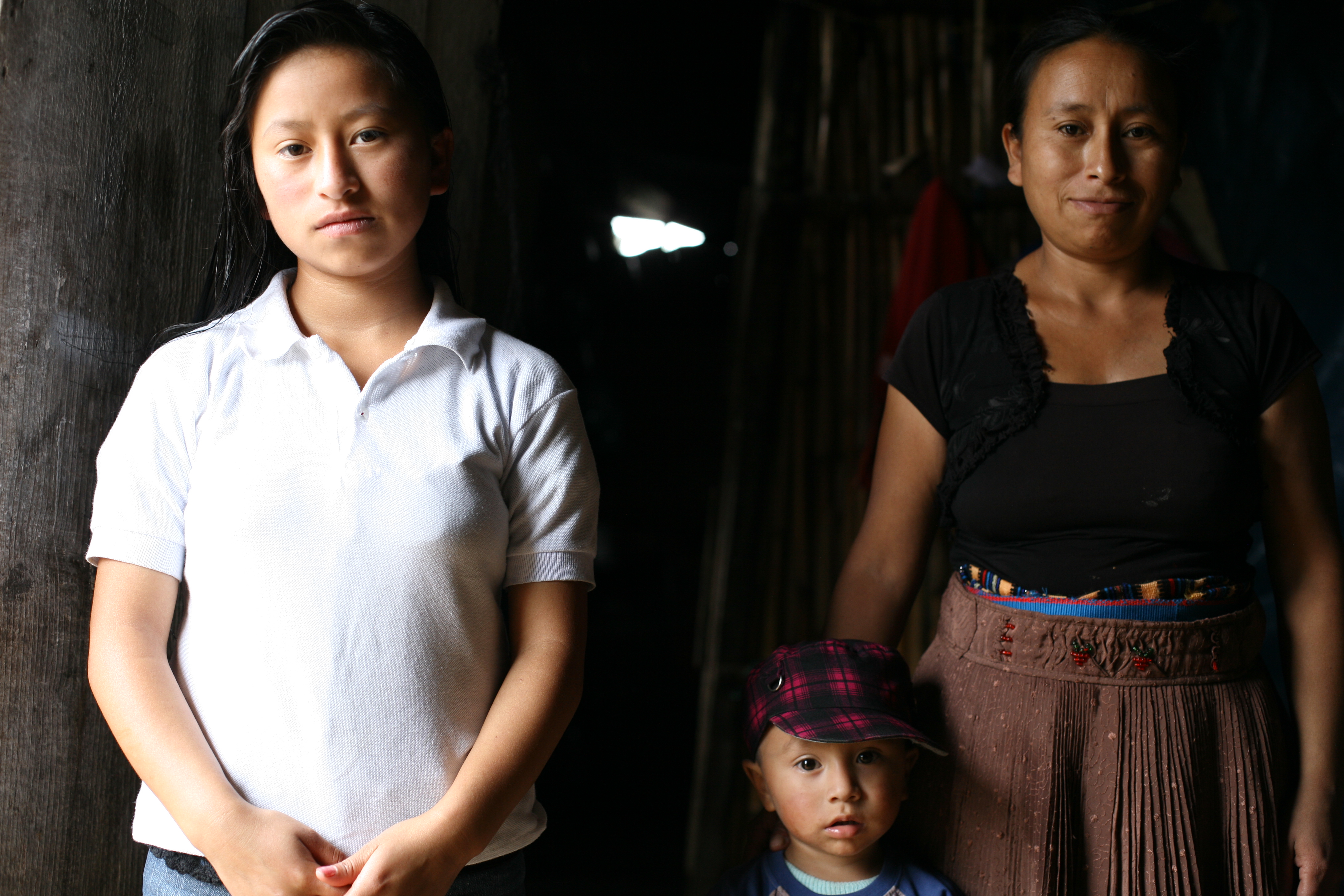
In contrast to her mother, I found Margarita to be extremely subdued. Most of the girls I have the chance to interact with during workshops are so giggly and ready to provide answers to my questions, that I was a bit taken aback by Margarita’s reticence. It occurred to me that I interacted with girls almost exclusively in groups, when they could cling to one another and hide their faces in each others' hands and hair if they didn’t want to respond to my questions. Margarita could only stare at me, which she did duly.
The young girl was 15 years old and in 7th grade--not at all uncommon in the rural villages where school is often missed during rainy seasons or entirely if a family has to relocate during harvest. To me, Margarita offered canned, uncolorful responses: she enjoyed our program; she was learning a lot; she wanted to stay in school.
Finally, in a moment of anthropological desperation, I asked Margarita plainly what she liked about the program. “It really grabbed my attention when I got to ask my mom the questions,” she said.
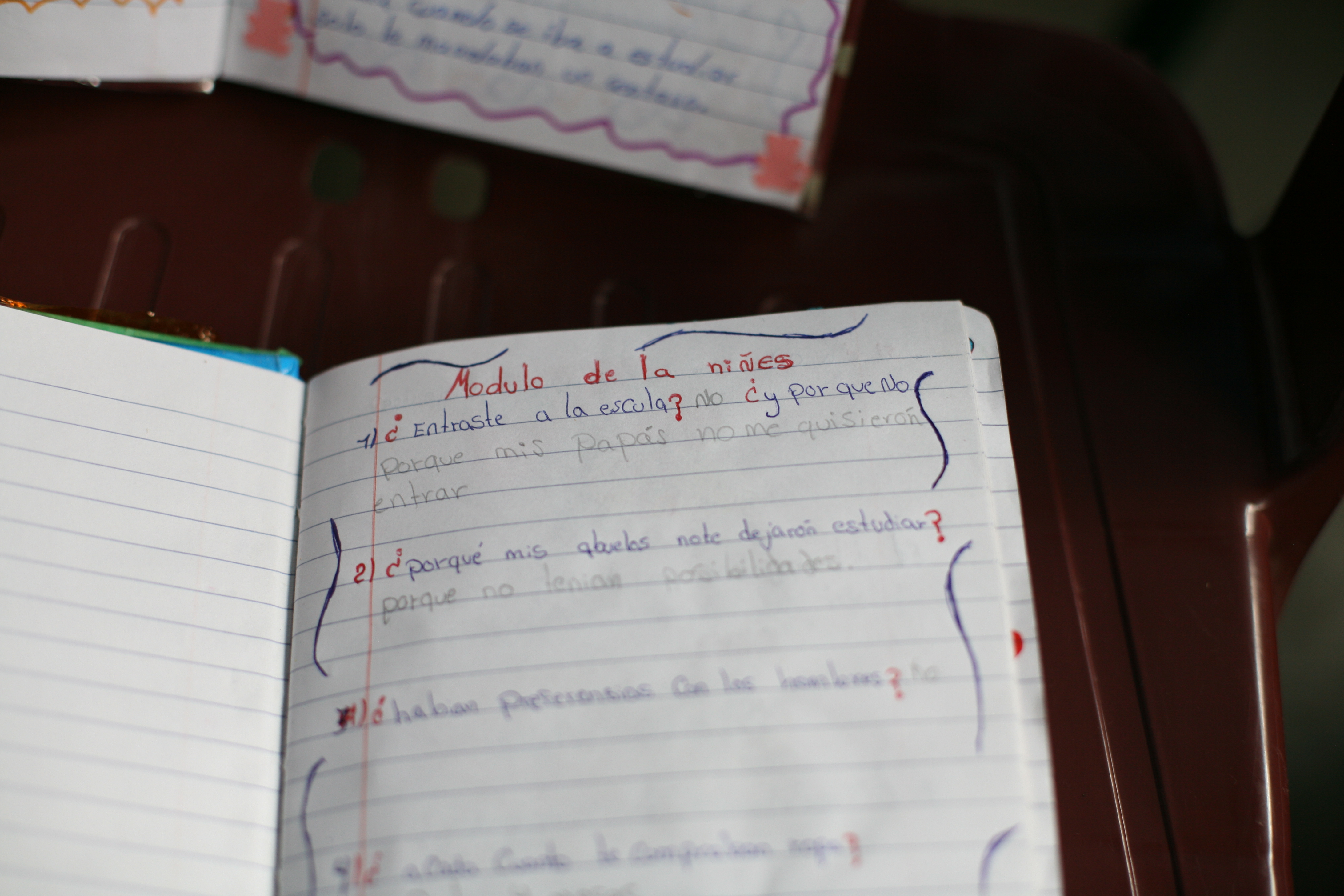
Then she looked downward, and back up again. She smiled a halfway grin and said, “Like how she met her first boyfriend.” At the mention of this question, and the hint that Margarita might dare reveal to me what her mother had said, the father suddenly cleared his throat.
I took his interruption to be a signal that the interview should end, and I checked the time and closed my notebook. I knew that the stories told between mother and daughter were private. Even stories as seemingly benign as a first boyfriend were the fodder for rumor and gossip in this community. It took extreme trust for a mother to share the truth of her own past with her daughter. She risked being judged, shamed, or simply ignored by her child. Mothers in our program, like Ersilia, bravely risked telling their stories to their daughters. They trusted that their daughters would listen, would not run to a friend and gossip, and would then return their trust by seeking their confidence one day.
Doña Ersilia had clearly earned the trust of her daughter, because she smiled and said to me, “My daughter, she wants to be a primary school teacher. I know, because she told me.”
As I exited the family home, I noted that the rest of the family had gathered in the fenced-in front garden, anxious to know what was happening inside. I greeted each person in turn, and asked if I might be allowed to photograph them. The family obliged, and so I was able to document a moment in the life of Margarita. At home, with her mother, father, siblings, and grandmother.
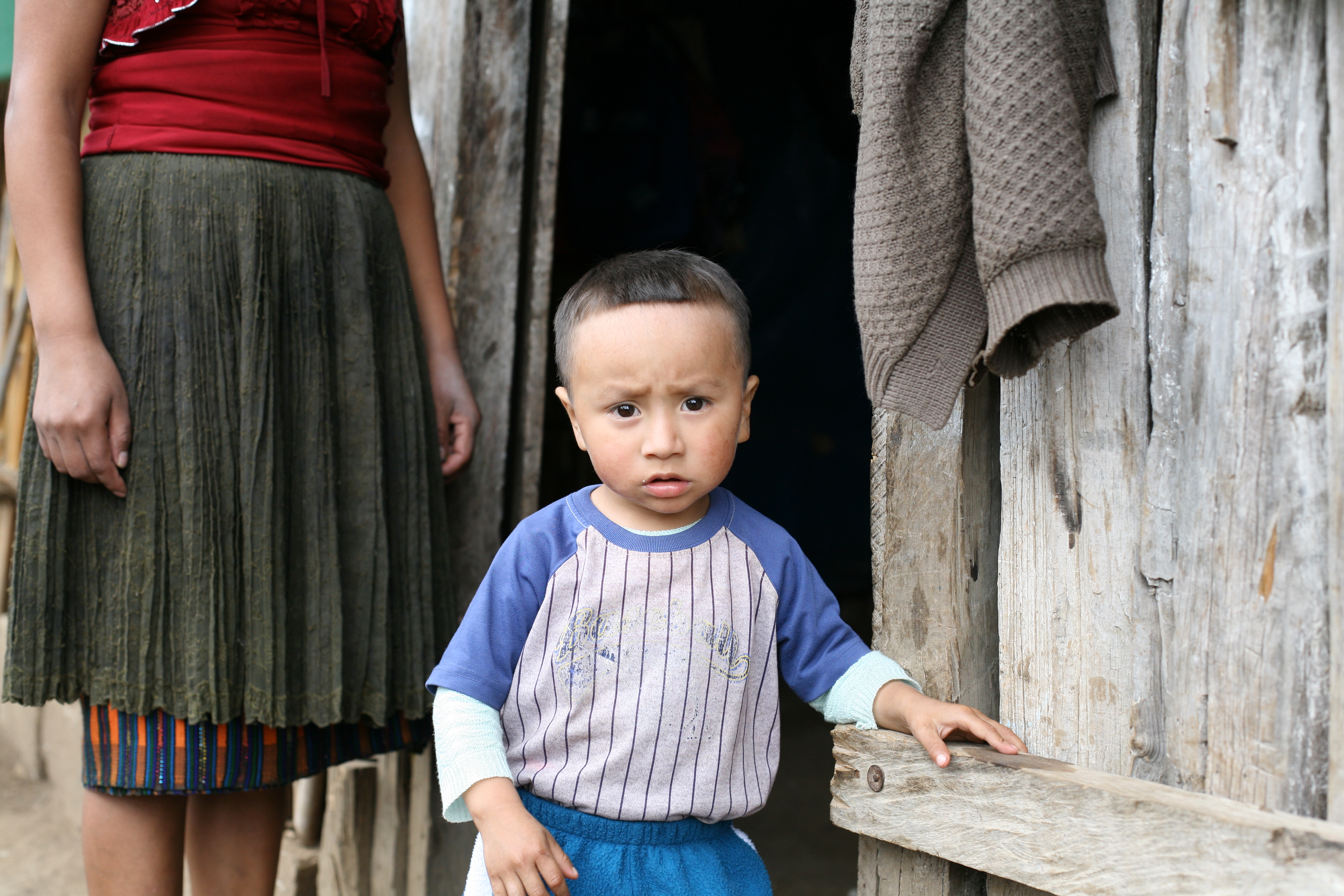
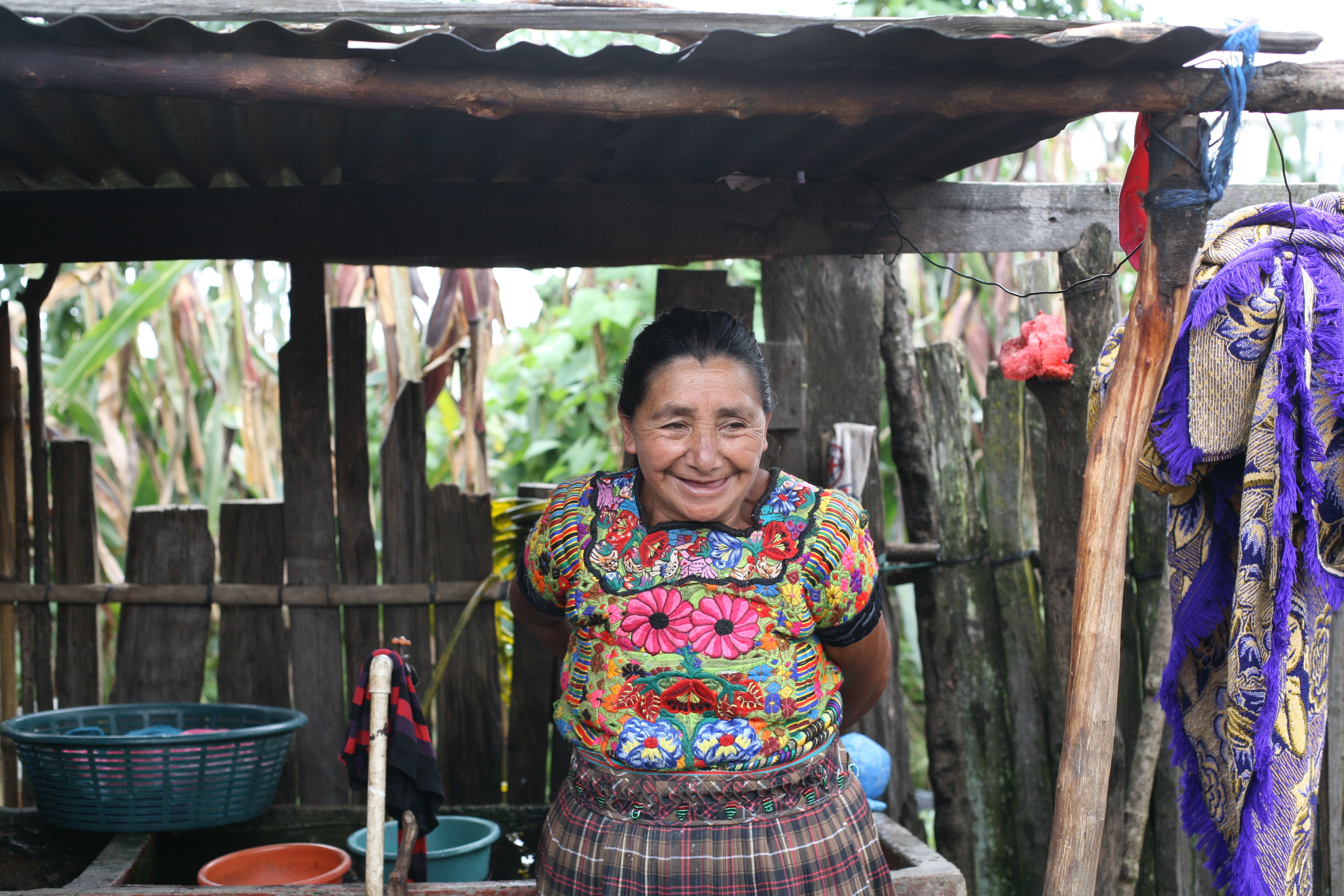
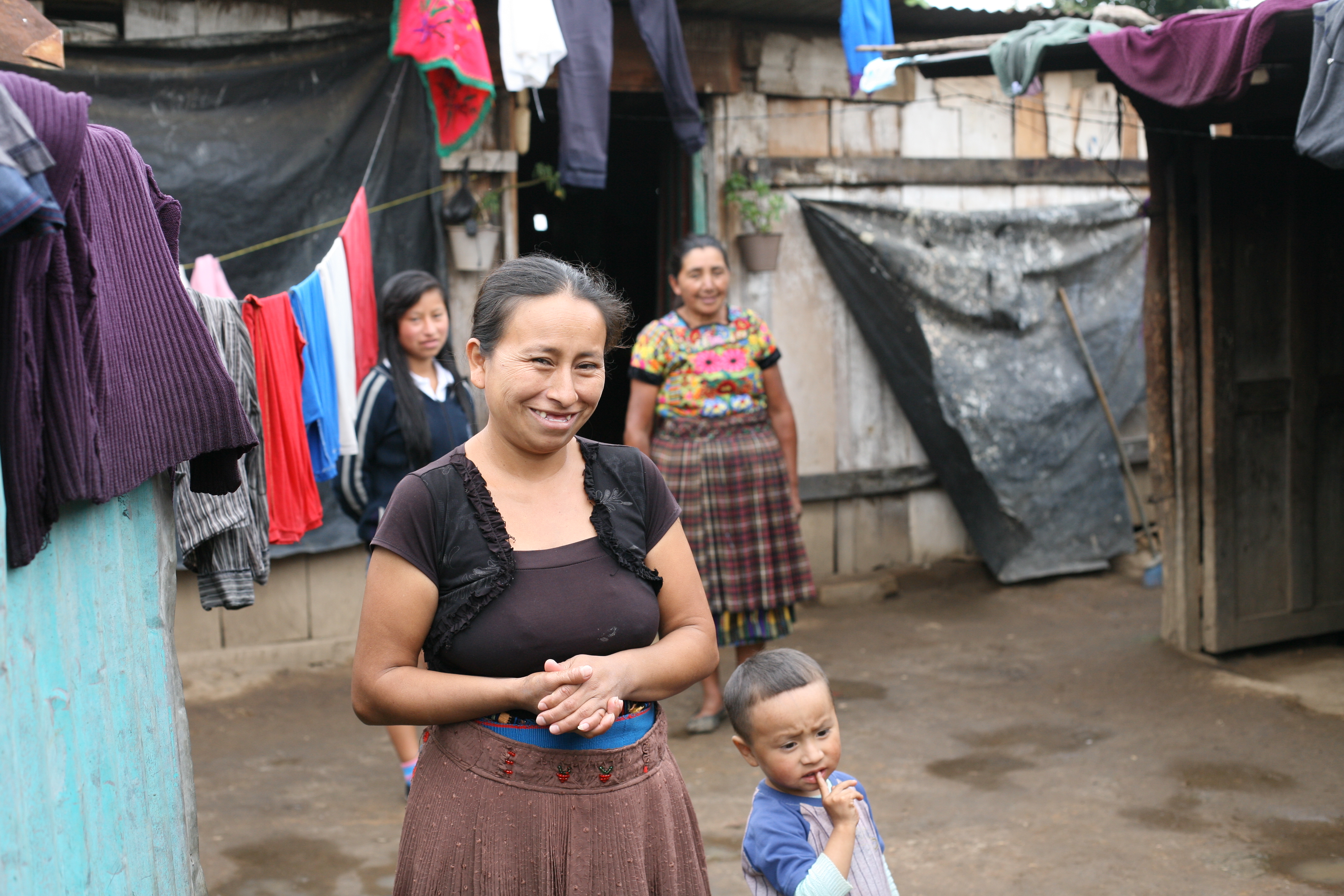
In a busy schedule of classroom visits and board meetings, I was happy to have the privilege to meet Doña Ersilia and Margarita, and to visit their home. It was especially nice to be reminded of the individuality of each girl and each mother. I also enjoyed seeing Margarita’s father, although I don’t remember his name because I didn’t write it down. Doña Ersilia's home was one of the poorer ones in the community, and I briefly wondered if that was the case because her husband was not working abroad. I hadn't had time to ask. At the time it was enough to know that he approved of his daughter staying in school.
Our little program began in San Pedro Petz in 2010 with three girls. They were the only girls who wore traje to the large Girls Leadership event we organized that year in San Pedro Sacatepéqeuz. Now, six years later, the village classrooms can hardly contain the girls and their enthusiasm.
*A note of appreciation: Many thanks to my Guatemalan friends in ADIMTU, the Guatemalan nonprofit in charge of running the Leadership Institute programming. It's been an honor to support your work in any way I can.