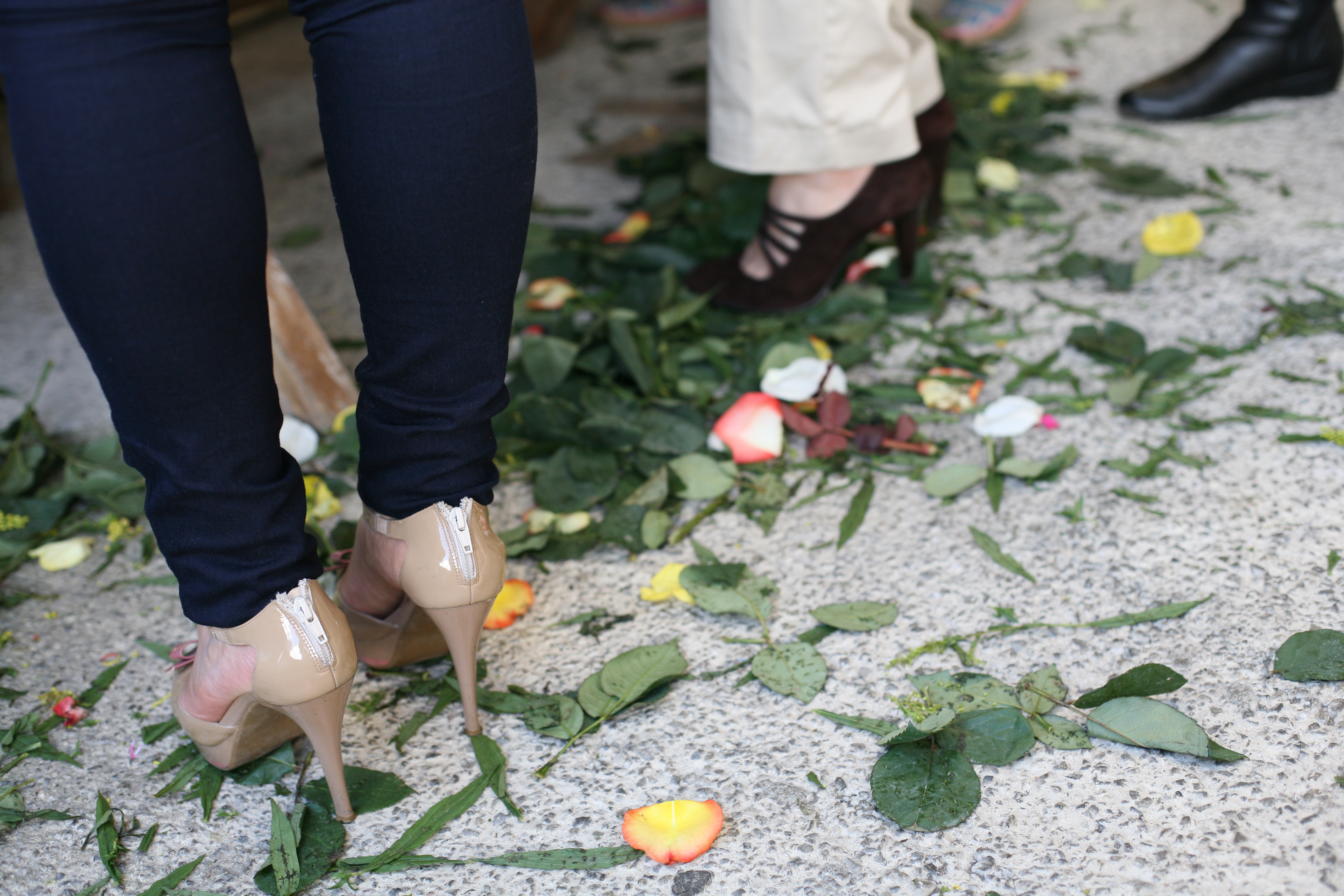
What shoes are you wearing right now?
I became obsessed with footwear in 2002 while conducting anthropological research in Costa Rica. Studying poverty and gender, I was struck by rural women’s insistence on strappy high heels. I wore tennis shoes, and I was barely able to navigate the tile-covered sidewalks that became unbearably slippery when soaked in equatorial rains. The rocky paths connecting houses in the barrios were a sprained ankle waiting to happen, for me at least. Local teens and women alike picked their ways with care and confidence and always appeared pleased to have chosen heels over flats.
Following up on my observation of women’s indulgence in pretty shoes, I included a footwear question in my surveys of socioeconomic status, asking women how many pairs of shoes they owned, (shoes being a relatively inexpensive proxy for wealth that allowed me to assess degrees of status and consumption without prodding for strict financial information). Contrary to my initial impressions of shoe ubiquity, my data showed that most women in the village where I worked owned only two or three pairs of shoes--for the house, for church, and for general purpose. My understandings of local class and consumption fell back to earth from the shoe heaven I had dreamt, reminding me that identity and choice are always grounded in economic and social constraints.
In 2008 I was still in Costa Rica, this time in San José studying gender and professional identities. In talking with men in their twenties who worked for multilevel marketing companies, I learned that dressing professionally mattered terribly for these proud, self-conscious guys, who were frequently mistaken for lowly street peddlers but often didn’t have enough income to keep their cell phones connected. They evaluated one another’s clothing choices often, providing both invited and uninvited critiques. A common consideration was footwear, brown shoes being valued above black shoes. Black shoes were the required footwear of school children (suggesting an age-based separation). Black shoes were, according to my Costa Rican informants, preferred by immigrant Nicaraguans, who, they argued, were trying too hard to look professional. Brown shoes, instead, were considered to be business-appropriate, without looking desperate.
Footwear, and consequently feet, have long been markers of race and class, used to differentiate oneself from others, to gain in-group status, or to classify and distinguish people into groups based on subjective categories pregnant with meaning. One of my favorite ethnographic lines reads, “Bodies that ride in cars are different from bodies that walk” (Weismantel 2001: 189). We can identify tropes of Western outsiders who trample the countryside wearing expensive hiking boots, or romanticized indigenous peoples who squish mud between the toes of their sandals, or pitiful shopgirls who squeeze their broken feet into narrow high heels. We choose our footwear for the imagined identity it will provide, but then we must also embody the physical experience of walking, trudging, dancing, standing, or riding.
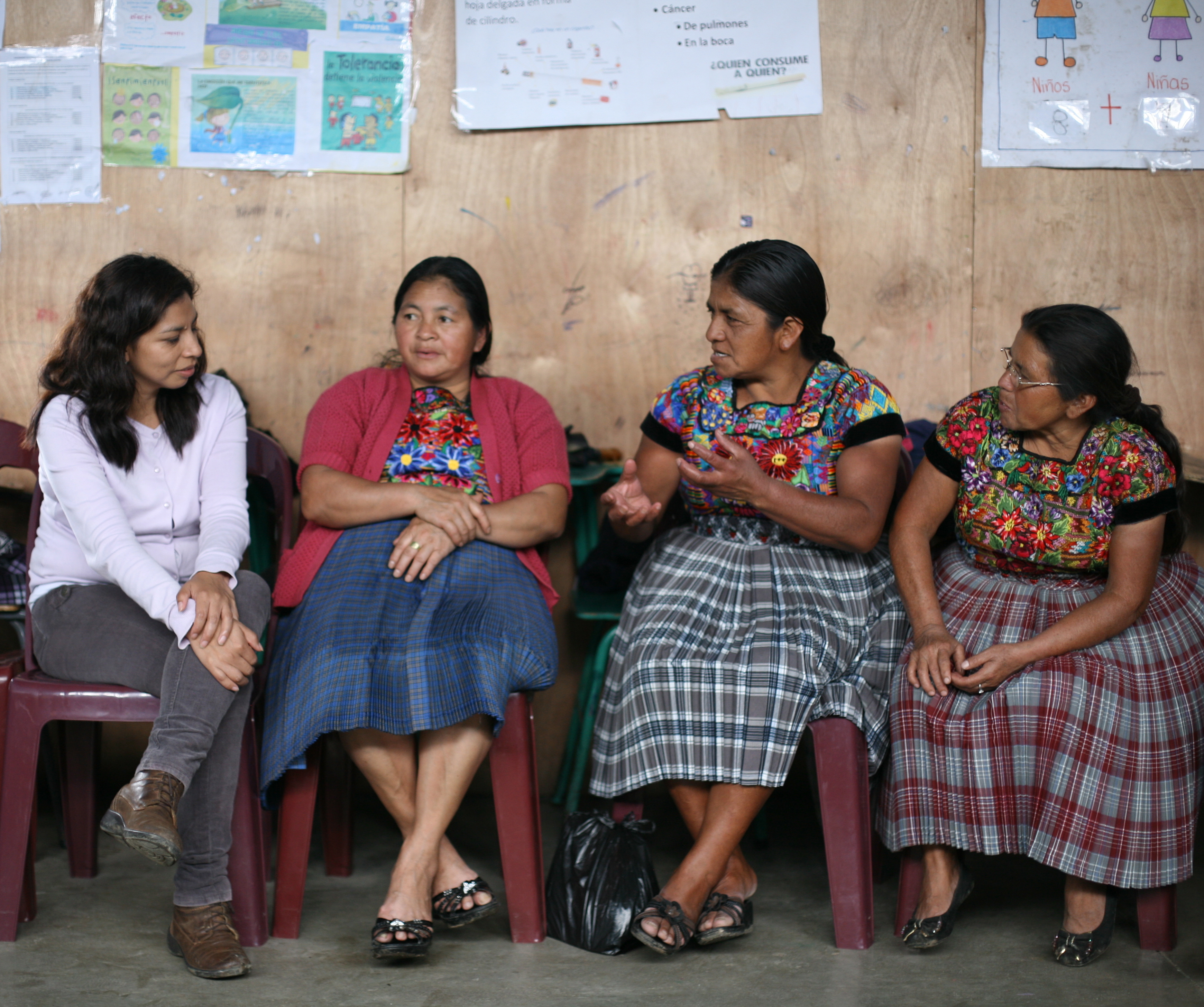
For the past few years I’ve been working with the nonprofit, Women Work Together, to help indigenous Guatemalan girls stay in school. This last trip, I began to notice shoes again. Primarily, I noted the soft, black slip-ons worn by girls and sanctioned by the school uniform gods.
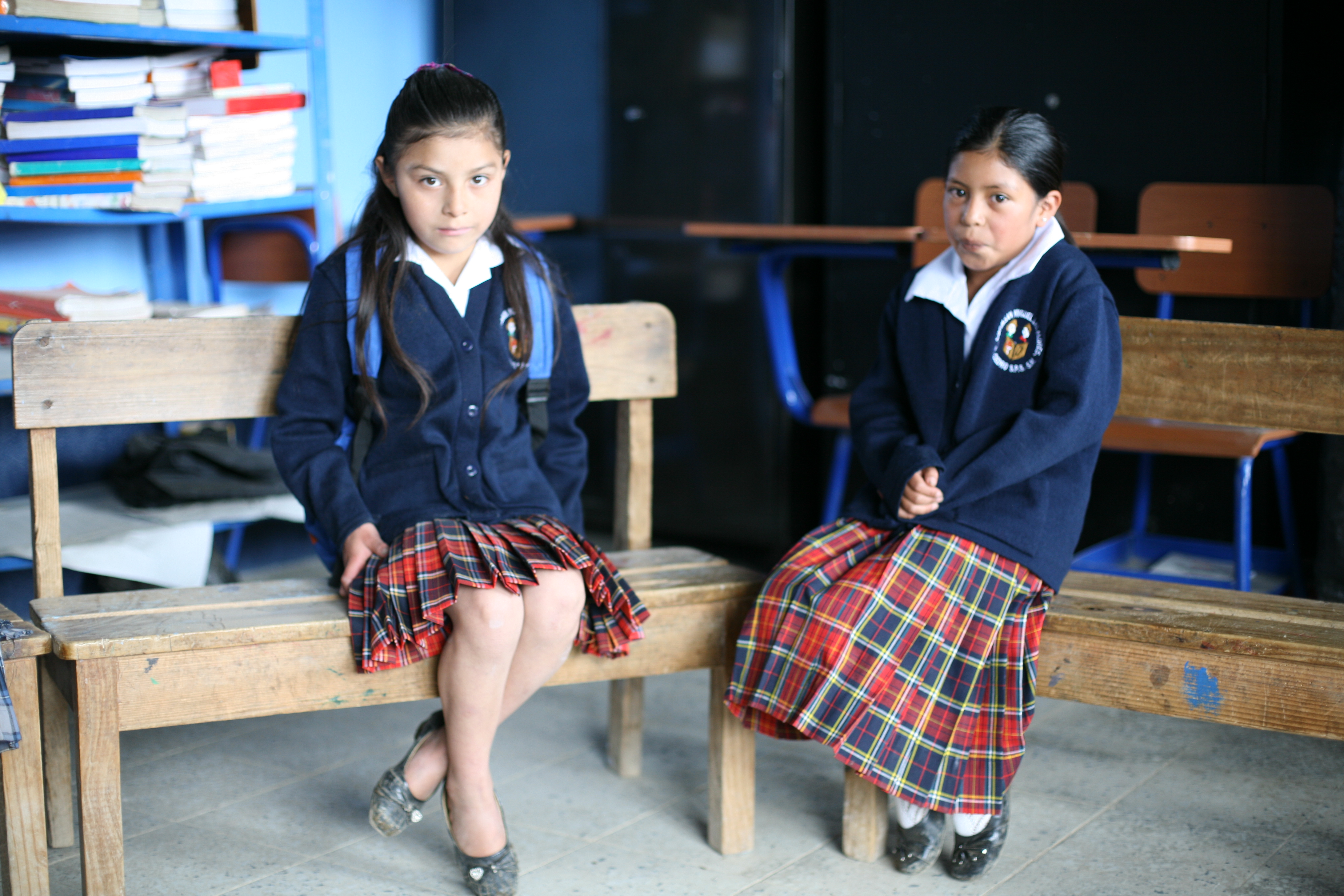
These were girls who walked up to an hour through the mountains to and from school each day. Their legs were often splattered with mud, and their shoes showed varying degrees of wear. They were girls who giggled and covered their faces when I switched to English to say, “Hello!” and who were in the delicate, liminal space between girlhood and becoming their mothers or perhaps someone else.
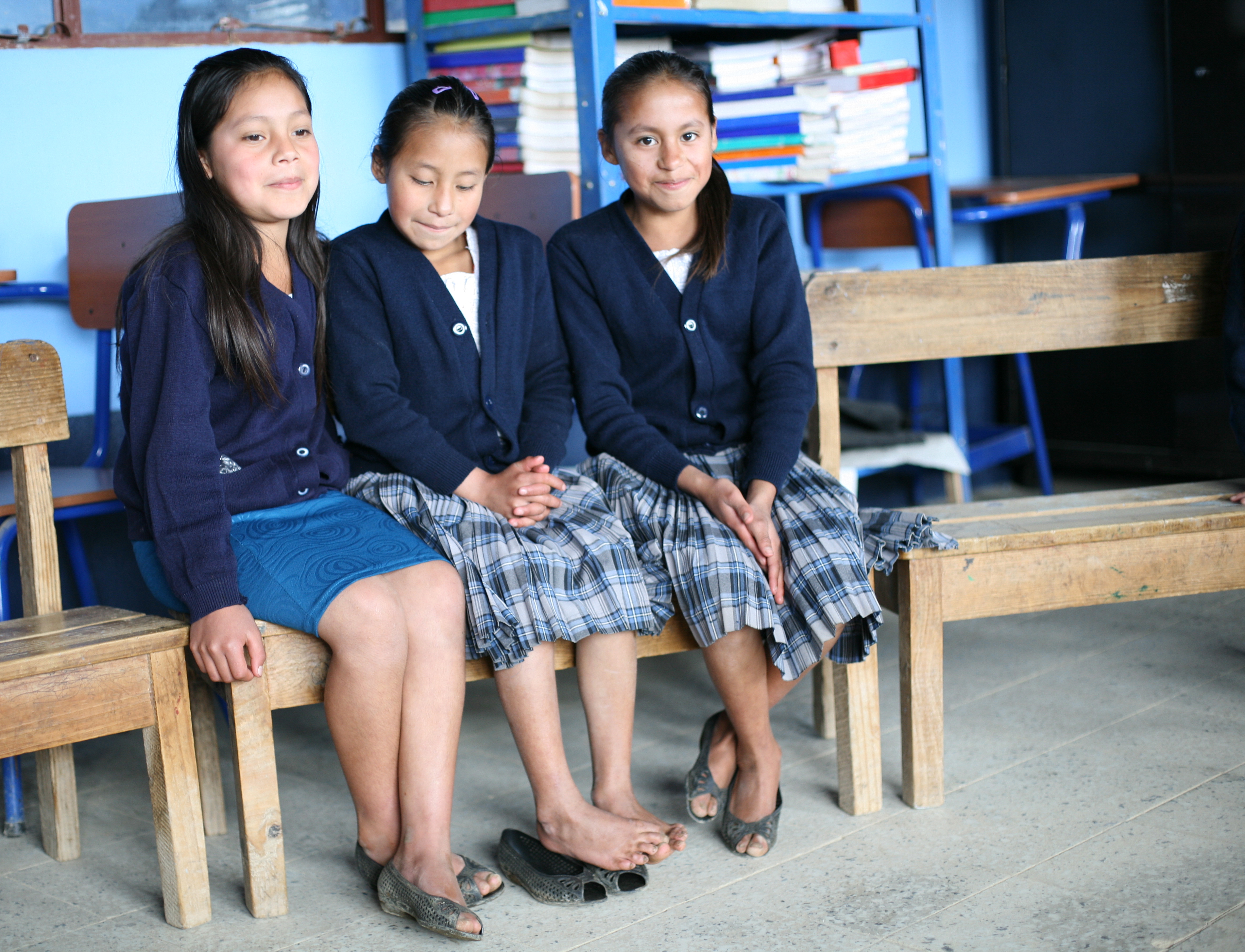
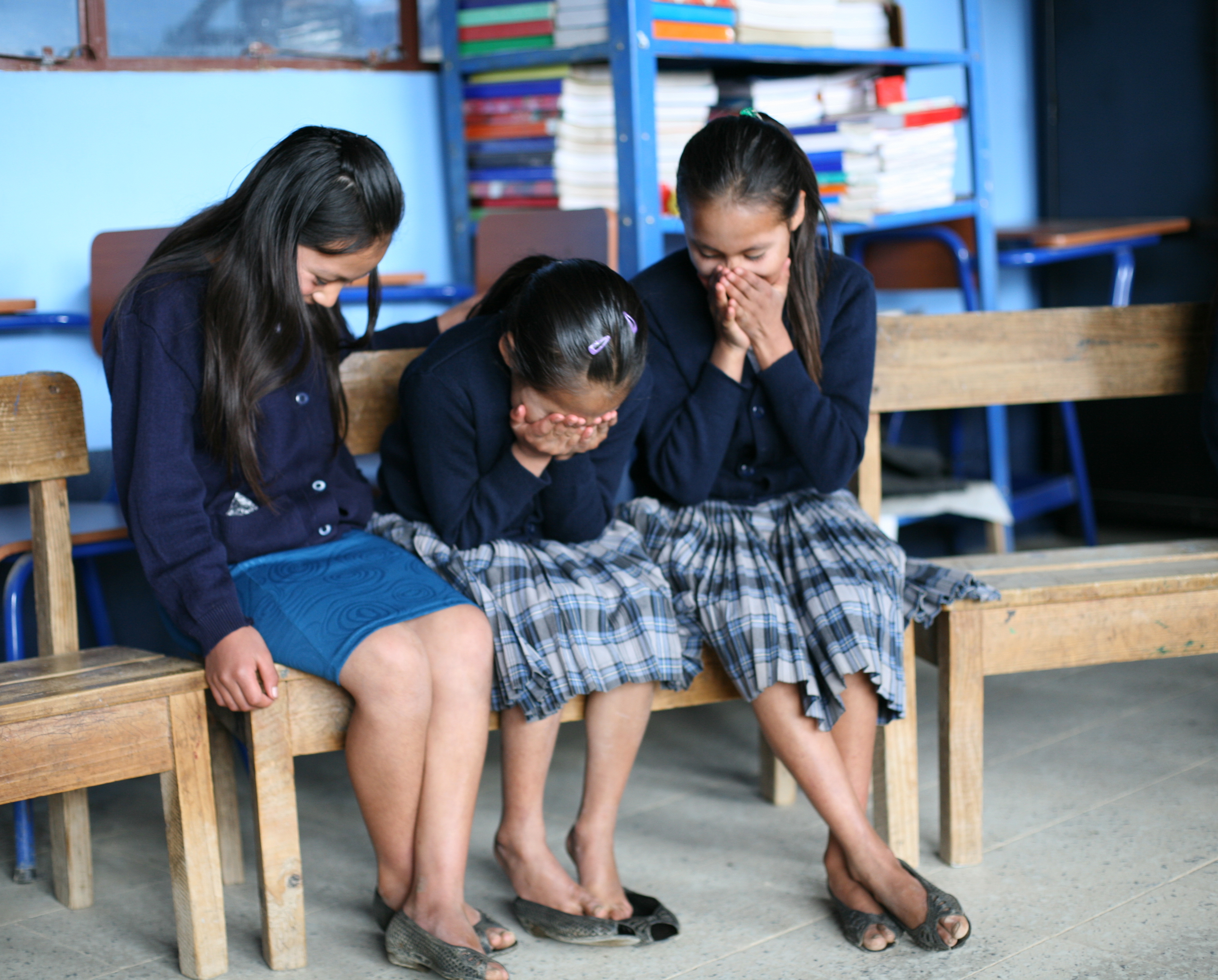
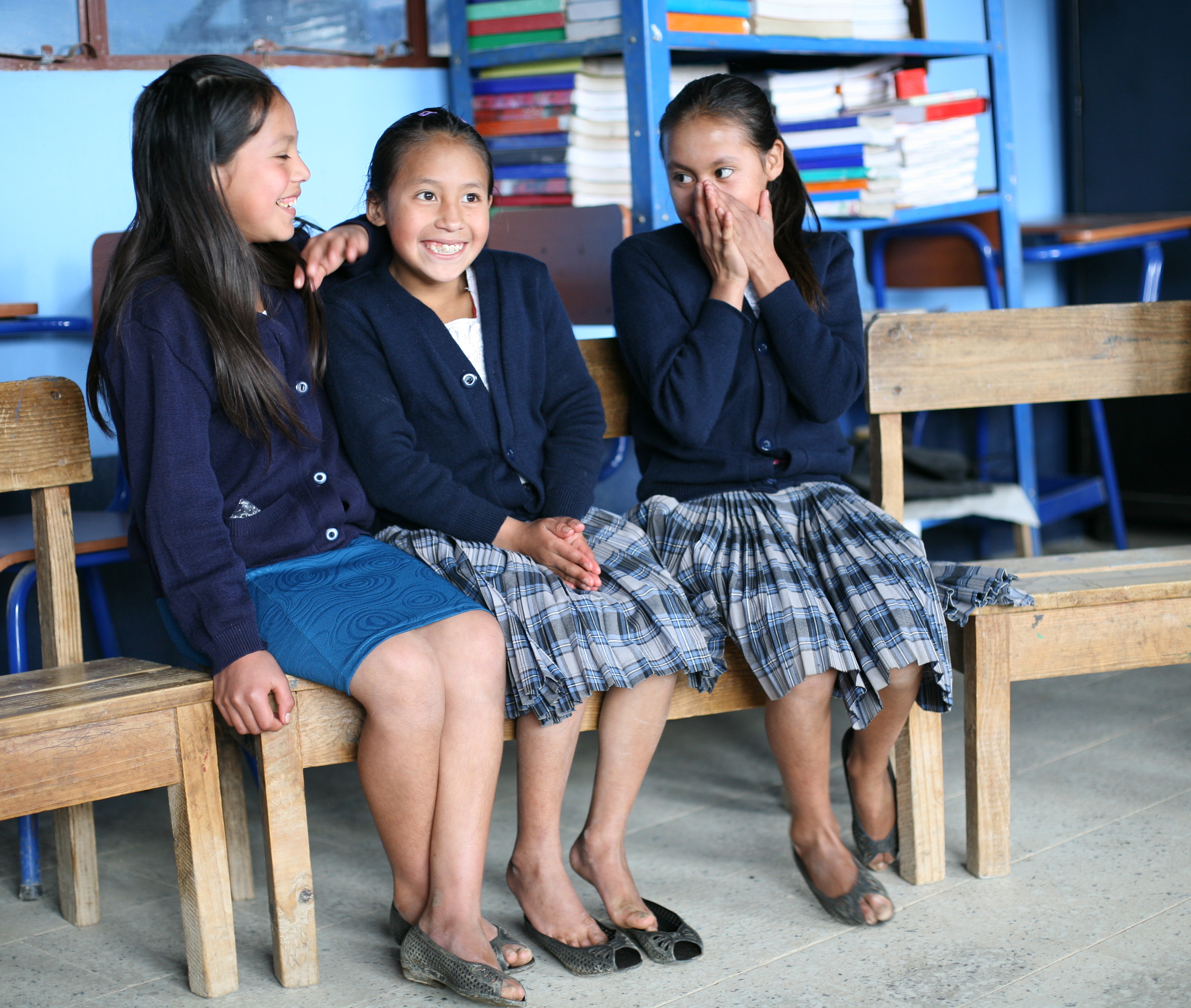
They were modest girls in modest shoes. I remembered my own black, soft-soled shoes from catholic school, and the gym shoes I kept at school in a cubby for athletics days, and I wished I had gym shoes to offer all of the Guatemalan girls who walked so far just to attend classes.
I looked down one morning, and I saw that I was wearing Toms shoes, and I smiled when a Guatemalan intern told me that he’d seen Toms shoes being distributed to those in need. I briefly wished that Toms shoes were more water resistant, due to the ubiquitous mud and lack of electric clothing dryers, but then I decided that any shoes were better than no shoes when one had work to do, like carrying zacate to the cows or collecting firewood for the kitchen stove.
Clothed bodies tell stories. Part of my time on this most recent trip to Guatemala was spent attending end-of-year celebrations for the nonprofit’s school-based projects. Mothers of girl participants were encouraged to attend. These were women who often had only a smattering of formal education. Most were illiterate. Yet they came to support their daughters.
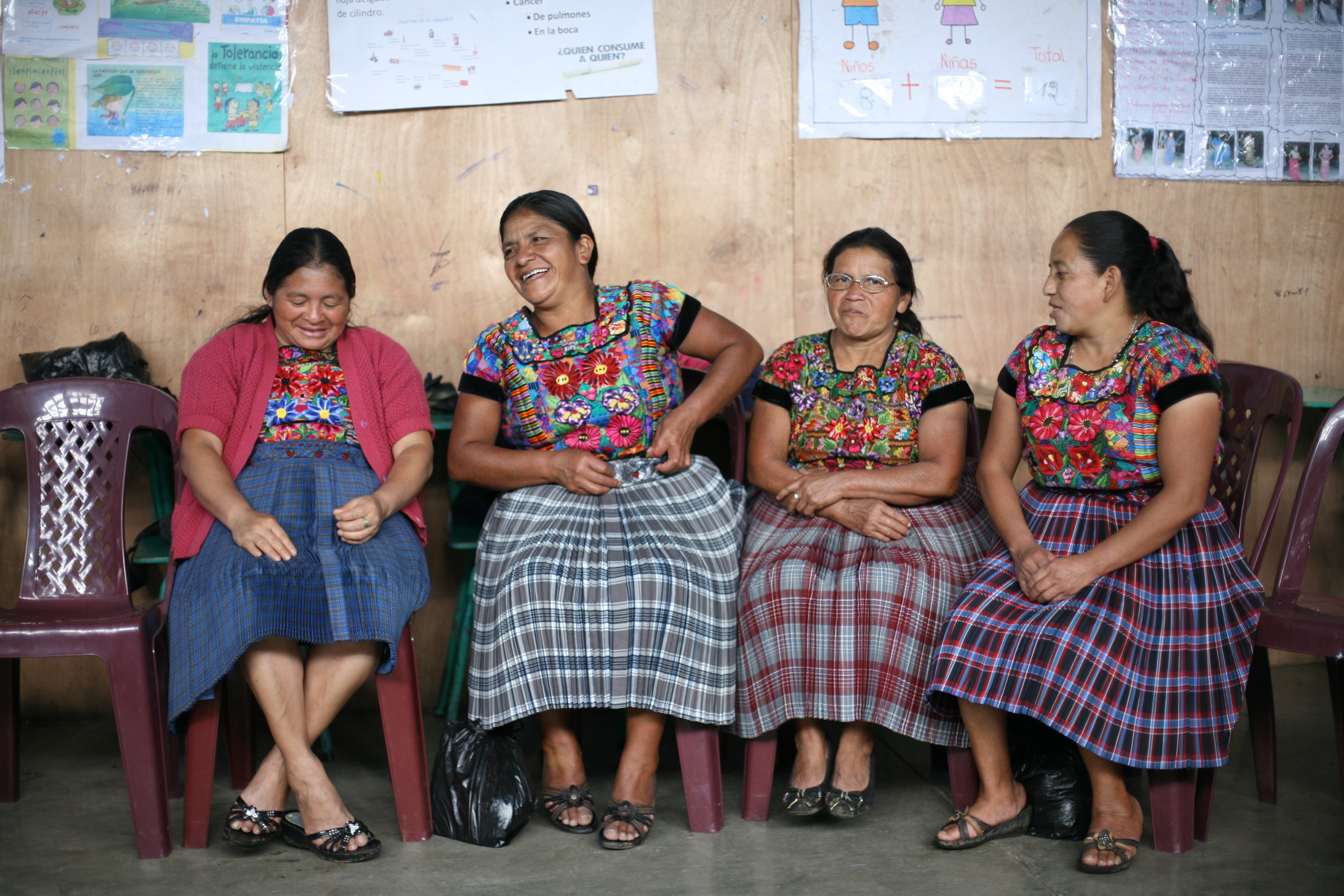
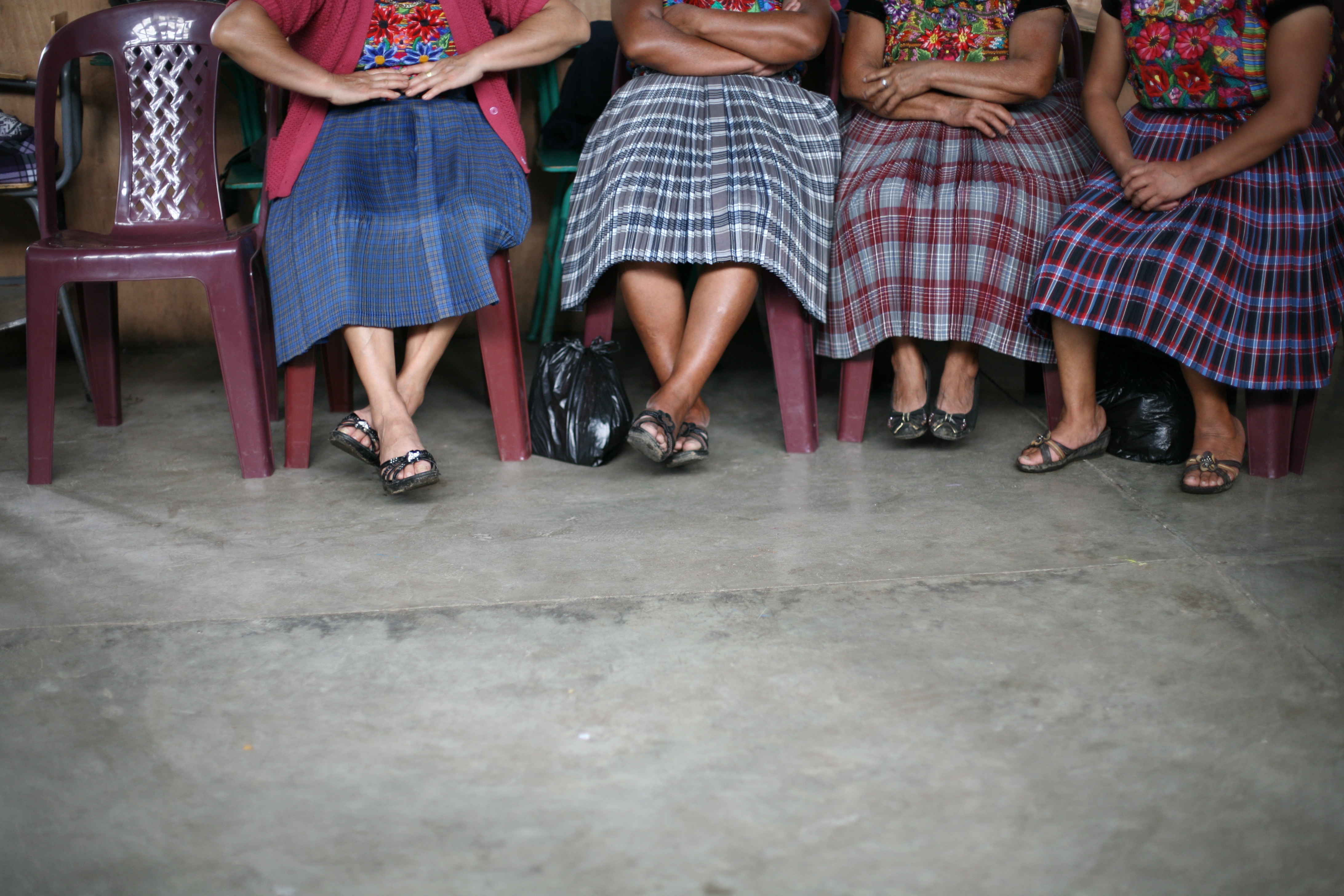
The care with which mothers entered the unfamiliar space of schoolrooms garnered my deepest respect. Slowly, hesitantly, mothers entered the classrooms, often having walked miles. Women had freshly washed and dressed themselves in their nicest clothes. Shoes, also, point to a women’s choice of identity and how she wants her community members to see her.
Indigenous women often carry their wealth in their traje, clothing woven or purchased at great expense of time and money. Each generation fewer women, and hardly any men, continue to invest in traje, as other clothing becomes more desirable. As an outsider, I’ll never stop marveling at the intricacy of the weaving and intensity of colors displayed in huipiles and cortes. My eyes always spot the woman who prefers Western clothes, and I wonder about her.
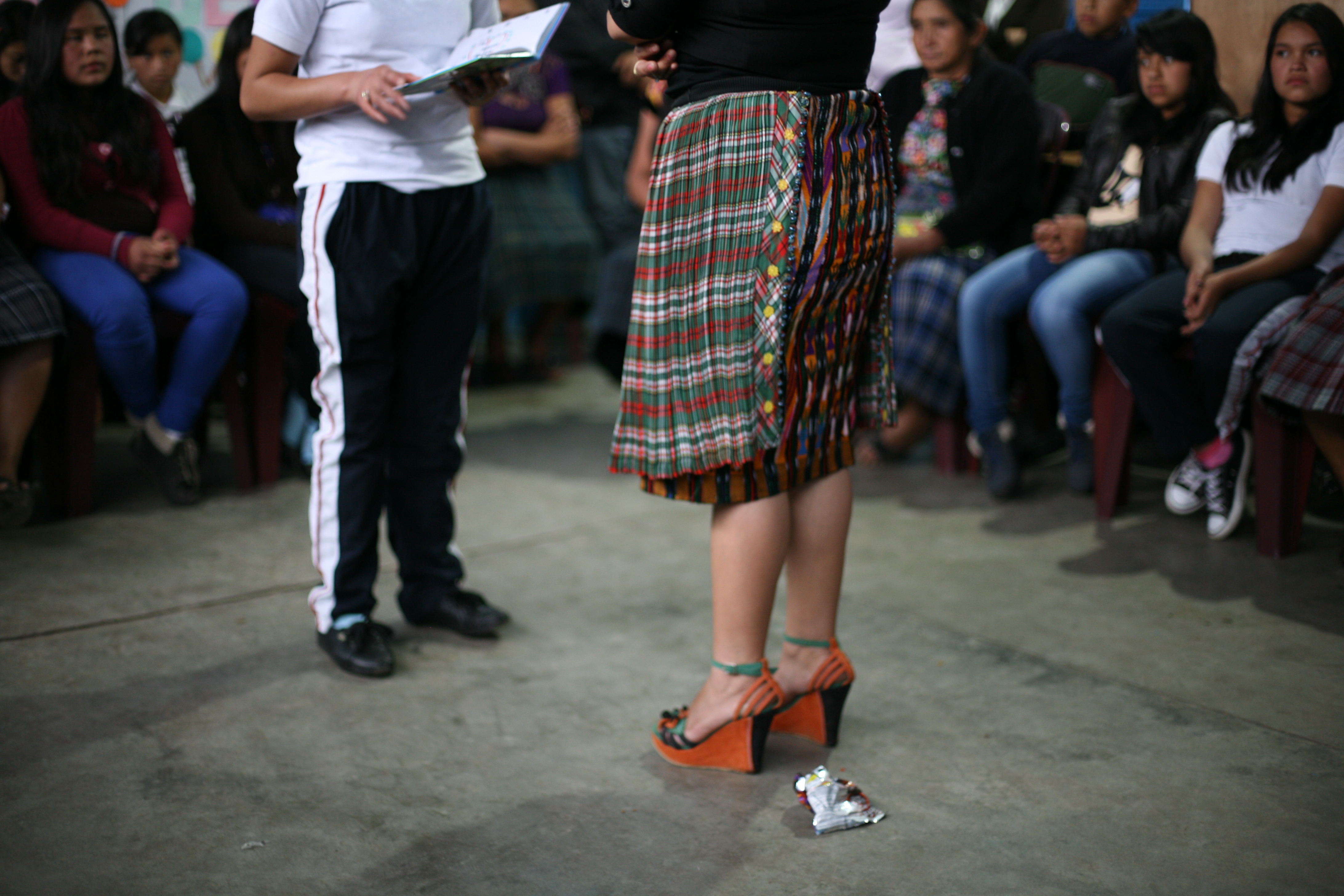
It may be impossible to know what life is like day after day for the Guatemalan women and girls I work with in Women Work Together. Truly, it’s hard to know what life is like for any other person. I wonder, however, if the tangibility of footwear might aid our imaginations. Consequently, could this imagined empathy result in a more ardent commitment to seeking out global social and economic change? So I ask, could you, reader, walk a mile, or for an entire day, in these women’s and girls’ shoes?