I recently participated in Reinvent the Tech Industry’s Social Impact forum. Some of the points can be viewed in this video. Here, I want to discuss the various ways in which companies can give back to the community and what some companies are already doing.
1. Have you heard of Open Source?
Before we pronounce that tech isn't doing enough to give back, let’s recognize a huge thing that a lot of people are already doing: writing Open Source. A consideration of the power of contributions to open source projects should absolutely be the starting place for understanding what giving back, in nontraditional terms, can look like. If we can begin a discussion from there, and encourage the tech community to take note of the awesome things people are already doing to help out their communities, then everyone will be in a far better mood to talk about what else they can do.
I want to say a huge thanks to everyone who has contributed to Linux, because that’s the operating system we load onto every Codestarter laptop that we give to kid coders. Without Linux, it would be impossible to get laptops in the hands of kids so cheaply and so effectively.
2. We need to make giving to charity cool.
As an academic, I specialized in studying work communities. Tech is a work community. I examined social structure and social status inside of communities, and I documented how individuals wielded various forms of capital (economic, social, cultural, linguistic, emotional, etc.) in order to garner social status within a set community.
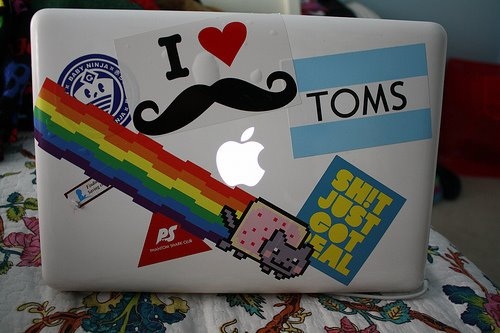
What this means in the tech world is that people do various things--dress a certain way, use specific hardware, put stickers on their laptop, take part in certain social networks and monitor their number of followers, etc.--in order to situate themselves in relation to their peers. With each performance of identity, a person is saying, though sometimes not explicitly, that they are like (or aren’t like) certain people, and that they are an interesting, neat human being (if you are in the know enough to recognize it), which presumably, as a community member, you are.
Companies operate in much the same way, because they are designed by humans. Certain aspects of companies have come to be seen as “cool”--amazing offices, fabulous off-site team adventures, free conference travel. These are examples of capital, used by companies to attract the best talent, and they benefit their bottom line.
Is it possible for a company to get as much bang for its buck when it promotes its philanthropy program as when it promotes massage Fridays and catered lunches? I certainly think that the starting point for imbuing philanthropy with capital stems from creating unique and fun events that everyone in the community wants to join.

Salesforce’s Dreamforce Conference and GitHub’s Dodgeball Tournament (now 4 years strong) are excellent large-case and small-case examples of companies integrating philanthropy into business, but there must be many, many more. Offering your office space to local community groups for their holiday parties or fundraising events, spending one day each month cleaning up your office’s neighborhood or helping out at a local food pantry. Giving a portion of the ticket sales from the conference you host to a nonprofit you support. These are all ways to give back. As more companies create collaborations or friendly competitions or host galas or conferences with a charitable focus, giving back will move toward the forefront of what companies are proud to showcase when trying to attract employees, press, funding, or new clients.
And in the end, making charity cool inside of tech, while huge and powerful, can become even more powerful for our industry if we partner with journalists and media who are interested in telling the stories. It was especially interesting for me to talk with Joe Garofoli from the SF Chronicle, and to learn his experiences writing about tech and charity. We need more journalists like Garofoli who are interested in telling the world about the new models for philanthropy coming out of the tech industry, and the various ways that startups are impacting a diversity of causes.
3. Investors must get on board.
I was thrilled to meet Josh Becker and Tabreez Vergee as fellow panelists for the Reinvent forum. Both Becker and Vergee underscored my next point, which is that VCs, accelerator programs, and social networking sites should encourage and support a philanthropic focus within their portfolio companies. I did backflips last year when I discovered Hunter Walk’s 1% of Nothing and the Pledge. In fact, today (05/04/2014) Pledge 1% launches in NYC! Now, I know that some people will push back, and say that a VC won’t care at all about giving back if they want in on an investment badly enough. Conversely, startups looking for funding may be wary to suggest spending investment to develop philanthropic goals. This is wrong, and it can be resolved.
Perhaps I’m an optimist, but I believe strongly in the positive power of social pressure. If everyone in the tech community came together and agreed that including philanthropic goals into our business models will henceforth be a core tenet of what we want our industry to be known for, then giving back would become the rule, not the exception. We’ve already seen Andreessen Horowitz lead the way: their 6 general partners have pledged to donate at least half of all management fee and carried interest income they earn for the rest of their venture capital careers to charity. And SVAngel promotes philanthropy as a core component of their portfolio companies right on its homepage. But we need everyone to get on board. This means that social networking sites, like AngelList, need to start asking for philanthropic work in their profiles. LinkedIn made good headway with their tool that encourages users to promote their board work. Where else can we incorporate a philanthropic presence into businesses’ public identities?
Finally, young startups can’t be expected to include philanthropy into their businesses without help. Accelerators are the perfect place to begin to provide support. Techstars has built the concept of #givefirst into everything they do. This focuses primarily on mentorship and helping out founder-to-founder, but it extends to charitable work, and makes the accelerator and it's founders stand apart from their peers.
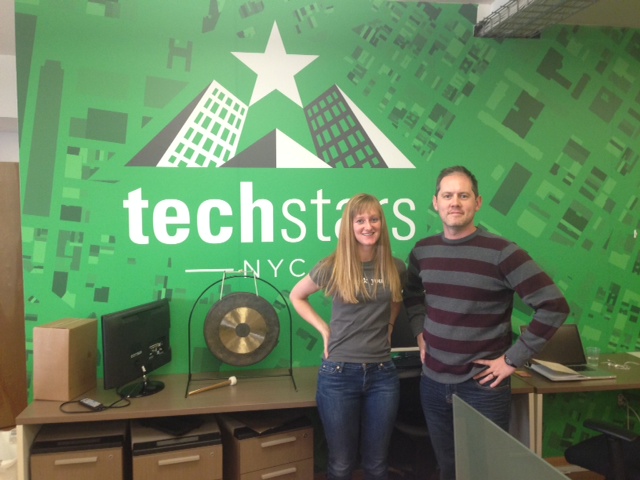
When I was in Techstars last Spring 2014, we were fortunate enough to receive training in marketing, and pitching, and streamlining email, and putting together a series A, and building a great team, and god knows how many other elements of growing a successful business. There ought to be a discussion on how to include philanthropy. Invite guest speakers who are founders of companies that give back. Ask them what worked and what didn’t. Talk about how to select good causes. Mention the possibility of establishing a foundation and granting shares early. YC startup Homejoy is one company that did this early on.
4. Employees should be empowered to buy in.
Companies can grant huge amounts to charities on their own, but this doesn’t establish a culture of giving back within a workplace. People want to be involved in the process, and they want to know how successful their group was at the end. Was there measurable impact on a problem that I care about?
You can take one of two approaches to including employees into philanthropic goals. First, companies can create one-off campaigns and ask employees to get involved. These sorts of campaigns are often based on direct donations of consumable items--toys, or electronics, or food. There’s no reason why volunteering couldn’t work this way too.
Campaigns can happen entirely inside of one company, or they can extend to other companies, either in friendly competition or group collaboration. Tech Gives Back is a great example of a two-week campaign held during the Winter holiday season that involves dozens of companies in San Francisco.
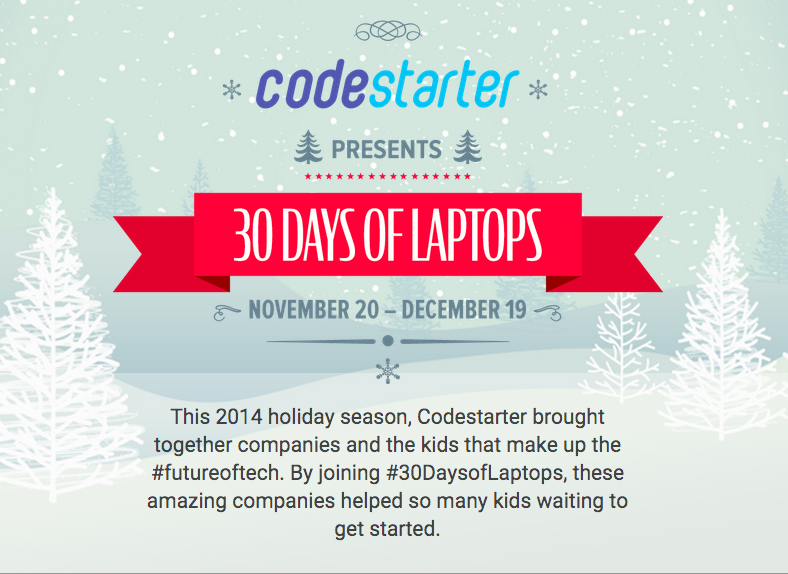
At my own company, we promoted 30DaysofLaptops, and encouraged startups to donate enough money to purchase one laptop for a child to have by the time their Winter Break started. Several startups shared the campaign with their employees and even clients, and this resulted in a small-scale community movement to help 67 kids receive laptops so they could spend their Winter Breaks learning to code.
A second way that companies can encourage employees to give back is through corporate-supported giving programs that enable employees to send money from their paychecks automatically to the charities they support. Even better is when companies match these donations. One of my favorite new startups that is giving a fresh feel to employee giving programs is Bright Funds. They’ve noticed an increase from roughly 25% of companies offering workplace giving in 2001, to 90% in 2014. Using beautiful design and tech-driven solutions to reduce inefficiencies, Bright Funds enables every employee to be a strategic philanthropist.
5. Full-stack philanthropy.
So how do we integrate a culture of giving back into startups? Philanthropy must be consistently present in the business goals of a company. I call this type of vertical and comprehensive philanthropic program, full-stack philanthropy. I would like to see more startups taking the time to consider their mission, and what types of causes fit best within their mission. If you’re a health-tech company--support nonprofits that provide health care, like Watsi. If you’re a food-tech company--look for causes related to hunger and food provisioning, like La Cocina. If you’re a tech company focused on supporting your own industry, I offer my own nonprofit, Codestarter, which provides laptops to kids who want to learn to code but can’t afford their own computers.
Once you’ve determined your cause, consider how you can incorporate it into every level of your business. Can your employees volunteer? Could your office host events? Could you make grants or even build your own foundation around that cause? Taking the time to develop this type of full-stack philanthropy, will allow you to frame your philanthropic goals as part of your business model and it will become a showcase element.