Several months back, Tom and I were nestled into an old wooden booth at the back of a bar in the Inner Sunset. We were two beers in, and sharing a third. We’d spent our Thursday date night talking through our summer vacation plans, Tom's progress on his current startup, and what our next construction project would be for our little off-the-grid cabin. With that third beer, our conversation turned toward the work I had begun on a new work project. Tom and I have the good fortune to have a nice investment in the tech industry that will hopefully pay off well. We both feel strongly about directing a large percentage of those profits toward endeavors that will make the world a better place. It sounds trite, but there really isn’t a better, more honest way to phrase it.
Leaning against the booth’s hard back, with my legs curled under me, I looked at Tom and took a swig of beer, thinking about what he had just asked me, “Why is this so important to you? Why do this?”
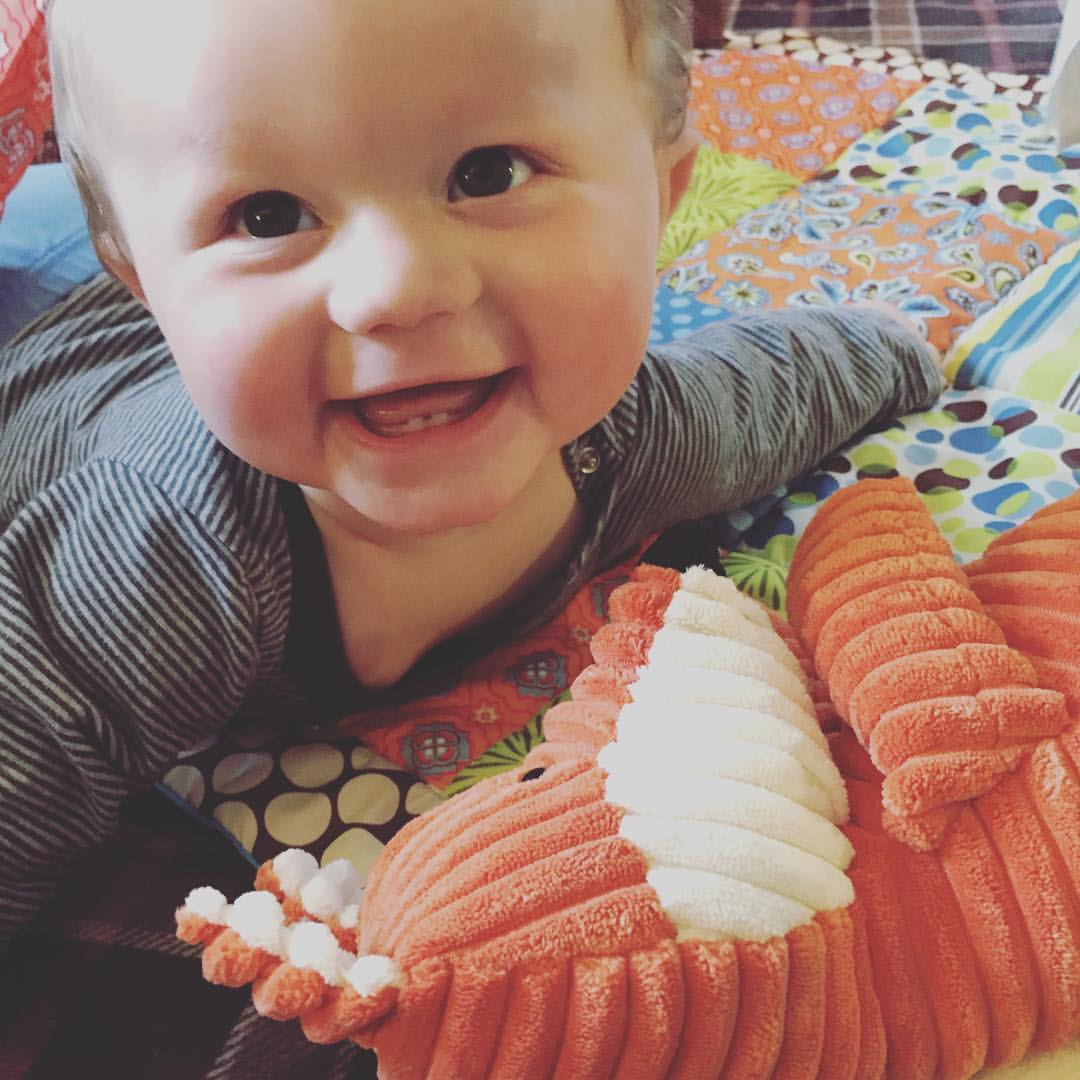
At the time, I was four months postpartum with our second son, Daniel. Daniel is an amazing kiddo (as all children are). He was born happy, healthy, and with absolutely everything in his favor.
I suffered from several complications during the births of both of our sons, but I was surrounded by knowledgeable, well-equipped medical teams, and ultimately, I’m not terribly worse for wear.
I had recently watched a video produced by Wings, a nonprofit organization that I really admire.
Blessed Fruit of the Womb: a fight for reproductive rights from Charlene Music on Vimeo.
In it, a mother watches as her child is weighed by a health worker. The two-year-old child weighed a mere eighteen pounds, the same weight as my, then, four-month-old baby. My heart caught in my throat.
I swallowed my beer, and told Tom about the video. I looked at him, and replied to his question, “How can I not?”
I explained further, my voice straining, willing myself to keep ahold of my emotions and also impress upon him the gravity of the situation: “We are so incredibly blessed. We just happened to be born in the best possible place with everything set up for us to succeed. We have the most beautiful baby. We’re so god damned lucky. How can I not spend every moment trying to help people who need it?”
Tom nodded, and we spent the night talking through my research on poverty and philanthropy, and positing potential ways to move the needle.
We spend much of our lives surrounded by entrepreneurs and startups filled with optimistic folks who are certain that their clever hack (often involving a lot of hard work) will “disrupt” whichever sector they’re in--finance, transportation, meal prep, flower delivery, vacation plant waterers. There are some really amazing ideas and implementations that have been enabled by technology--crowdfunded microlending for business and fundraising for healthcare and education, better record keeping and communications in healthcare, electronic libraries and tele-education and medicine, online political movements, solar-powered lights for homework, mobile banking, easy access to website design and electronic payments. Dozens more. All of these ideas have, to a degree, created opportunities where there previously were few and fueled change toward increased equity worldwide.
Tom and I, over the past couple of years, have had many beers and talked with friends, colleagues, and acquaintances in diverse industries across academia, political organizing, technology, nonprofits, and investing. We’ve spoken with a lot of people living in the Global North, and with not nearly as many living in the Global South as I would like. That's an ongoing mission. We’re always trying to find that “brand new idea”: the “hack” that will move the needle on global poverty. We’ve approached it from every angle we can think of:
*Should you focus on single communities or should you build an umbrella organization that builds some sort of technology infrastructure?
*Should you invest in healthcare or education or both?
*What about the environment?
*Should you fund individuals directly or support governments to build their own infrastructure?
*Should you focus on politics and policy change or help people in need right now?
*Should you always try to get the biggest bang for your buck? Is impact investing the way to go?
*How transparent can you possibly be?
*Are charitable causes worthwhile or should you focus on a market-driven solution?
*Is it about empowering people or is it about empowering communities or is it about enabling geo-political powers?
*Should we just find a way to pay more taxes?
*Is it better to fund research? Are there smarter people who could figure this out more quickly?
*Should we fund grants to existing small organizations or give to the largest ones? Do we just give it all to Planned Parenthood and Gates and be done with it? Can we possibly do it better?
*Should we fund entrepreneurs or proven organizations with data and track records?
*Is there something really clever that we could build that will change the world that somehow no one else has thought of?
The questions are endless and no one agrees.
For a long time, I believed that the biggest impact I could have would be to leverage our position and encourage more people like us to get involved in giving back. That’s why I founded Omakase, focused on introducing people in tech to a rotating set of new nonprofits that I thought they would love. I quickly learned that convincing other people to part with their money was really difficult and emotionally draining. So I figure I will lead by example instead and document it all. If anyone wants to help or do something similar, I’d love to grab a cup of coffee or a drink and swap ideas.
For now, I’m going to try to write with more regularity about what I’m working on. I’ll try not to be self-conscious about it. I’ve argued before that I think anonymous charity is bullshit. By talking about philanthropy openly and sharing with one another the organizations and causes we love, I think everyone can benefit, especially the people who depend on the funds and volunteer time donated. And maybe together we’ll even discover some of those elusive “hacks” that everyone is so sure of exist.