What are the advantages/disadvantages of giving to funds vs. supporting causes directly? To build a women’s movement, is it better to support bottom-up, grassroots organizations or top-down, far-reaching structures?
Remember back in the ‘80s--when there was no email? We talked over telephones--not texts--and we wrote letters that took weeks to arrive, depending on where they were headed.
Now, imagine you are a member of a group of Guatemalan women back then, maybe five or six women, sitting together, perhaps at a market selling vegetables or meats, or maybe you’re at the river washing clothes together, or maybe you’re able to gather for a brief respite and a cup of hot coffee in someone’s home for an hour one afternoon. Or maybe you’re not Guatemalan, but Nepalese. Or Cambodian. Or Ethiopian.
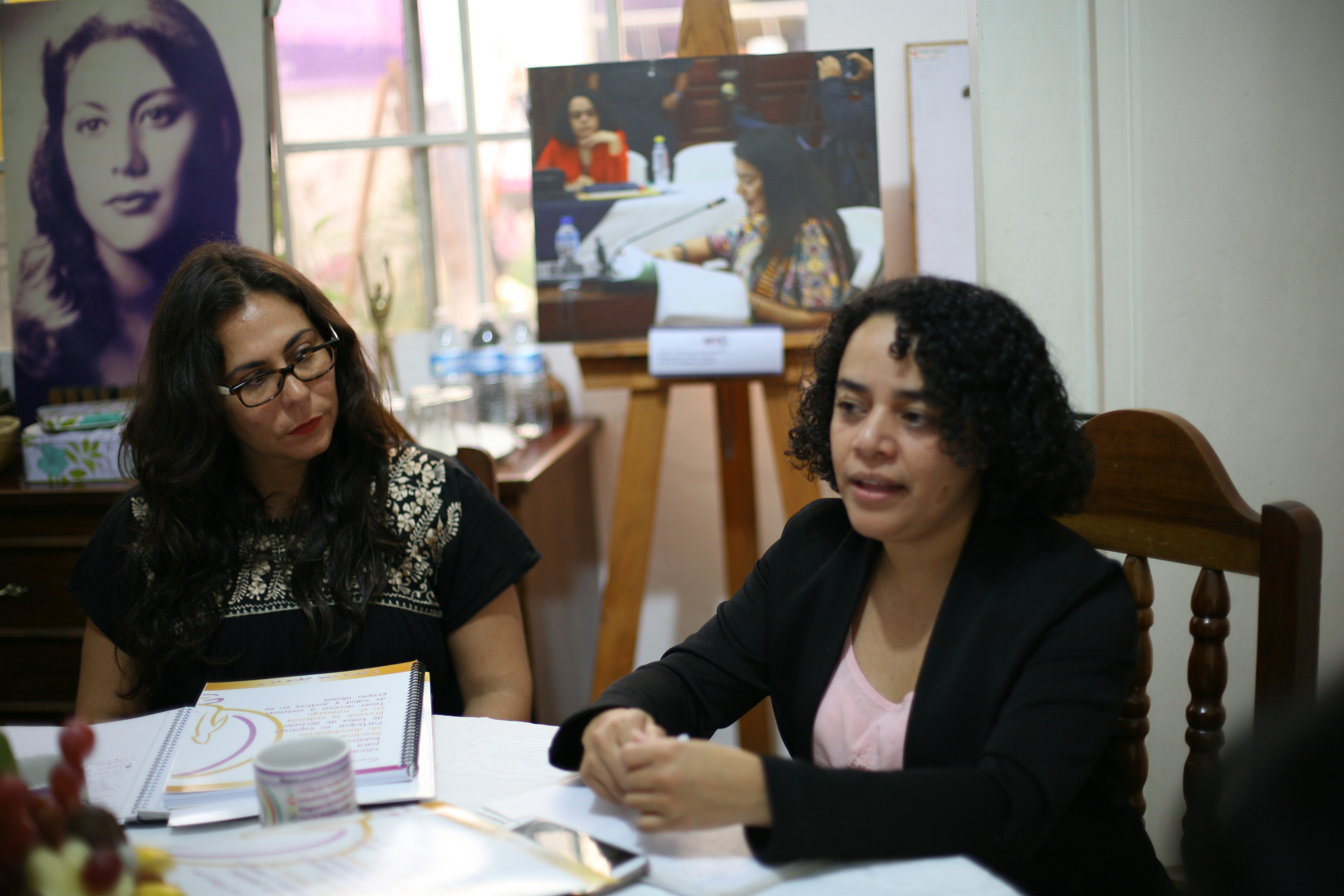
Someone says, “What if we formed a group? What if we organized ourselves?” Imagine if these women wanted to create a group that addressed domestic violence in their community. Or maybe they wanted to talk to young girls about staying in school. Or perhaps they wanted to try and run for a position in the local government.
Then the group realizes that it takes money to pay for transportation or to create, print, and distribute materials, or to hire a lawyer to help with legal paperwork to incorporate. So how can they next go about raising enough funds to build something sustainable--something that doesn’t fall apart after a couple of weeks or months or, hopefully, years.
Now--imagine you are a woman living in San Francisco, CA in the ‘80s and you know that women will never reach full gender equality until ALL women around the world raise their status. Perhaps you also believe that it is the women themselves who are best suited to fight for their rights in their own communities. Creating small changes in one’s own neighborhood can eventually weave a fabric of change that stretches across communities, reaching the borders of nations and, finally, uniting the world.
Four women--Anne Firth Murray, Frances Kissling, Laura Lederer, and Nita Barrow--thought about these exact things. Together, they decided that the best way to contribute to gender equality was to invest in building a women’s movement--a mobilization of women worldwide who worked on issues central to their lives with a flexibility to pivot their focus as needs required and to adapt to changing economic, social, and political conditions as they appeared. The Global Fund for Women (GFW) arose to raise money from donors who supported the women’s movement in order to send it to women’s groups who were at the frontlines of fighting inequality in their own backyards. Imagine how difficult the communication between the GFW and those women’s groups must have been thirty years ago; proposals arrived to the San Francisco office written on napkins and sent in weathered envelopes and the GFW mailed money back.
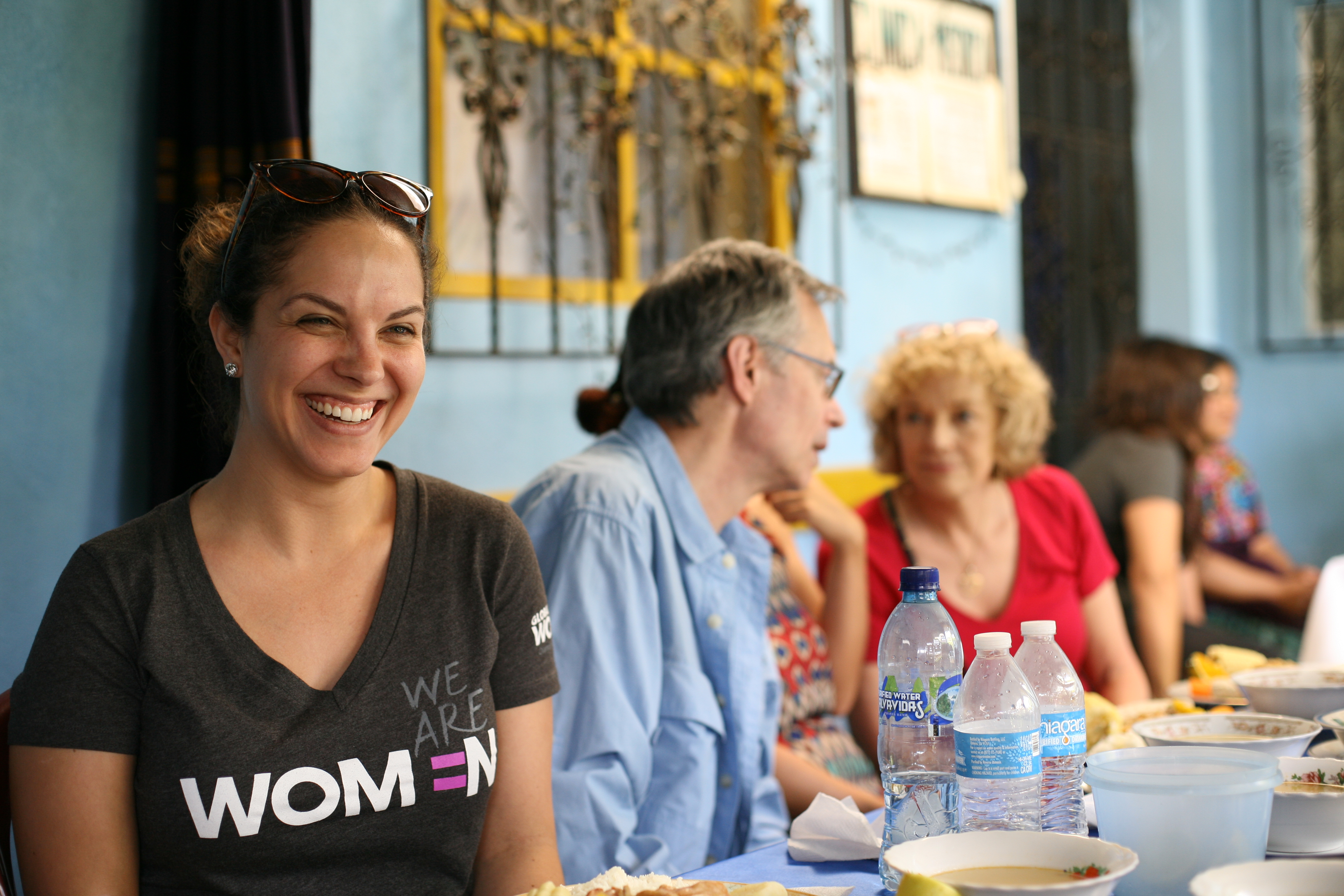
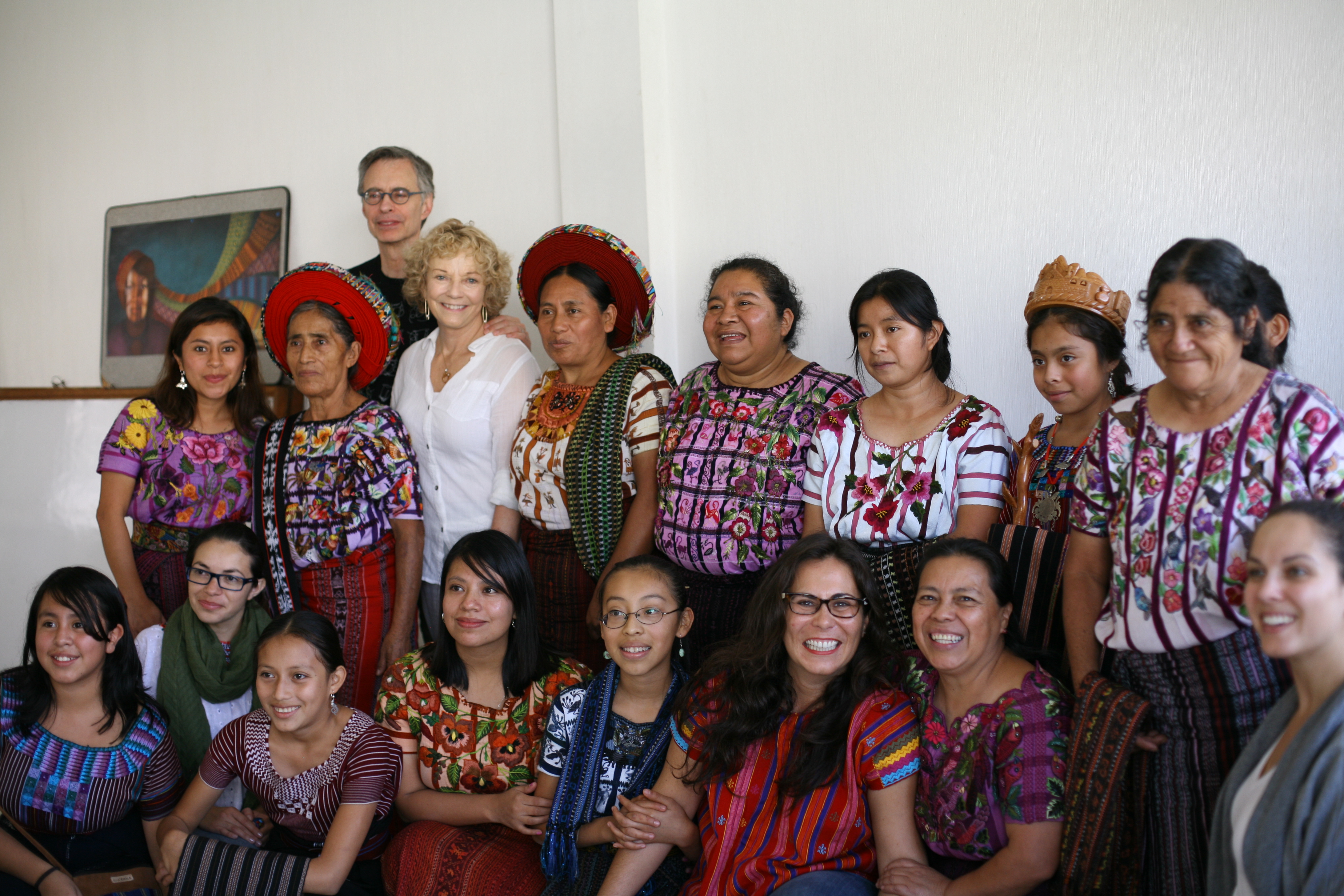
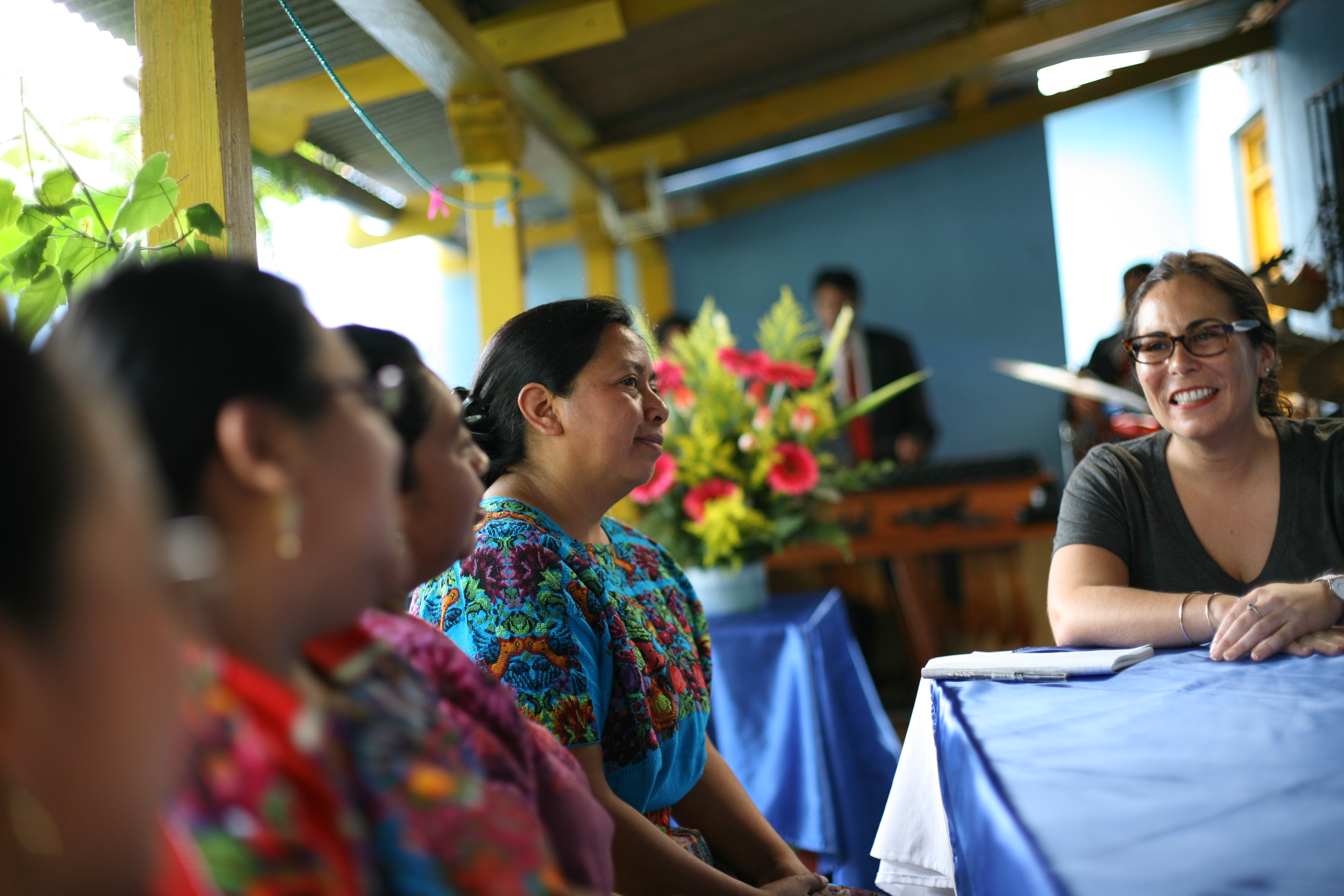
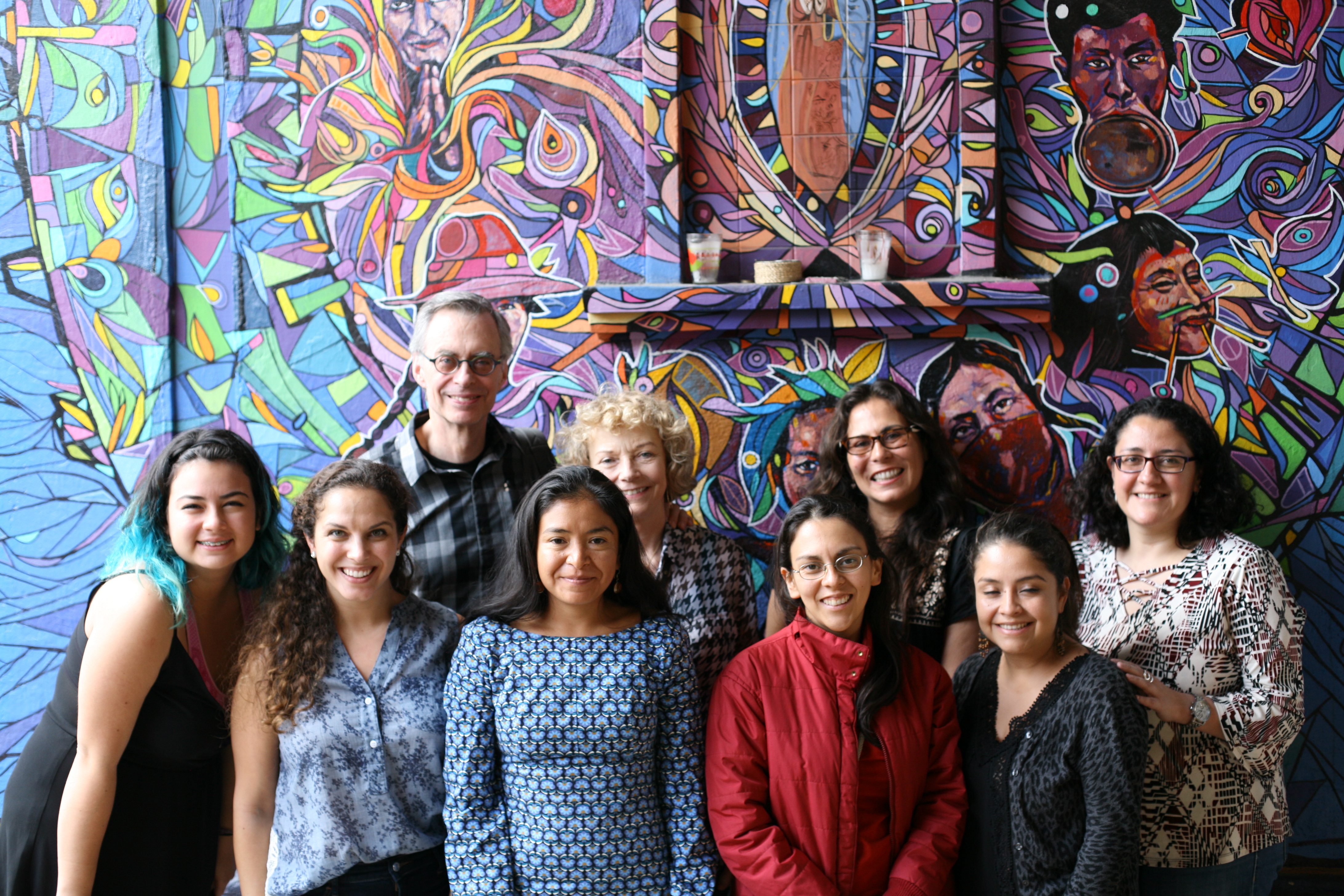
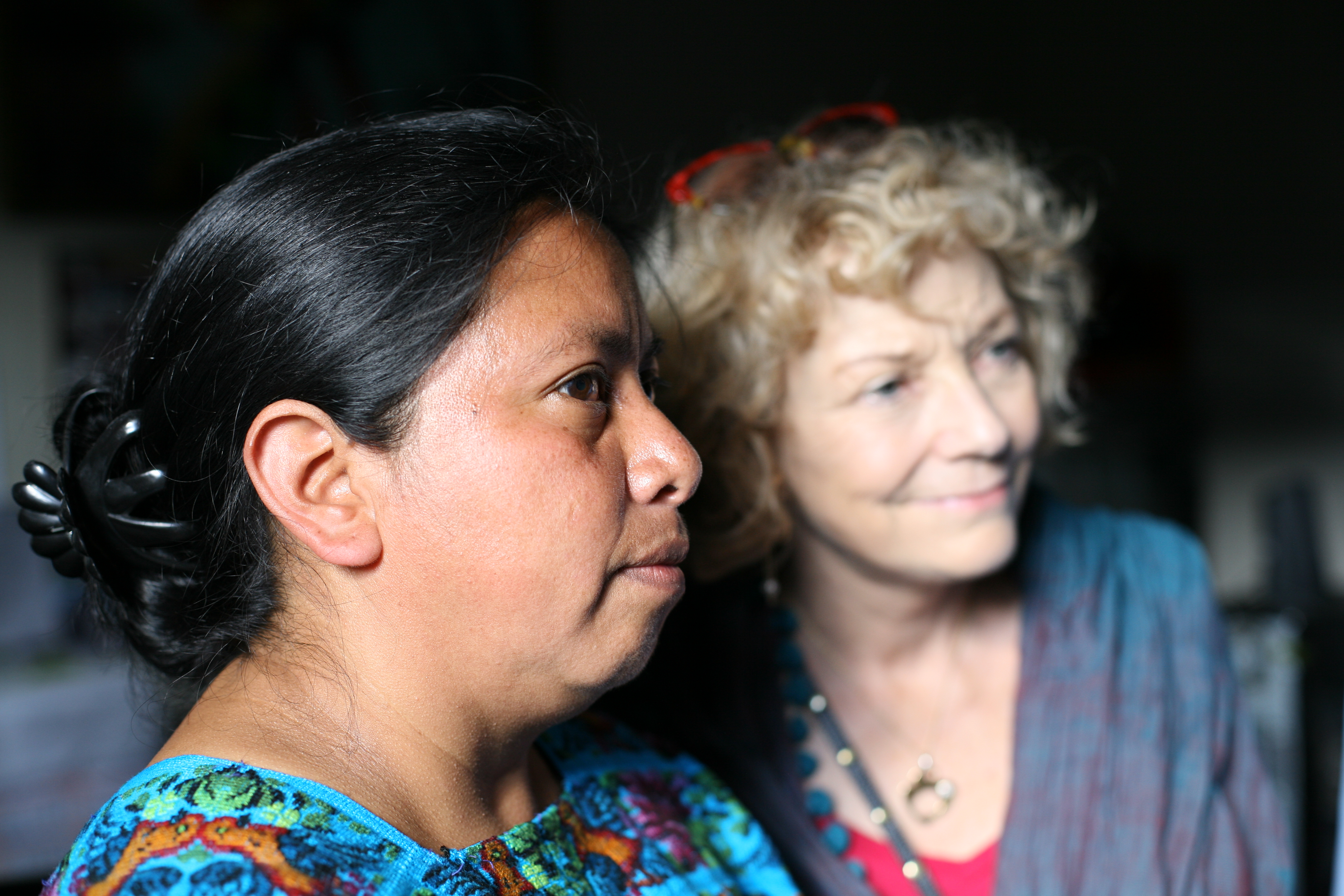
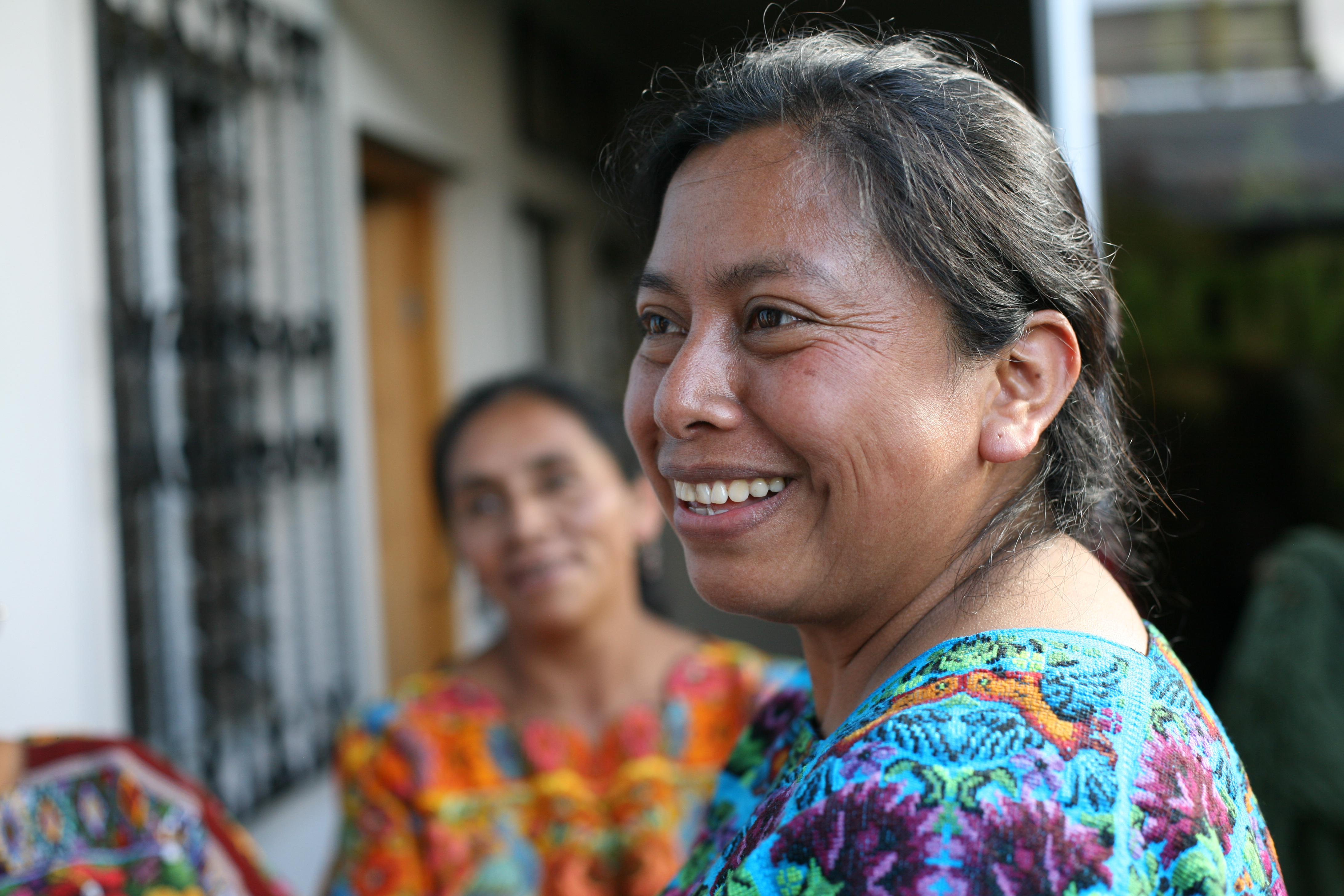
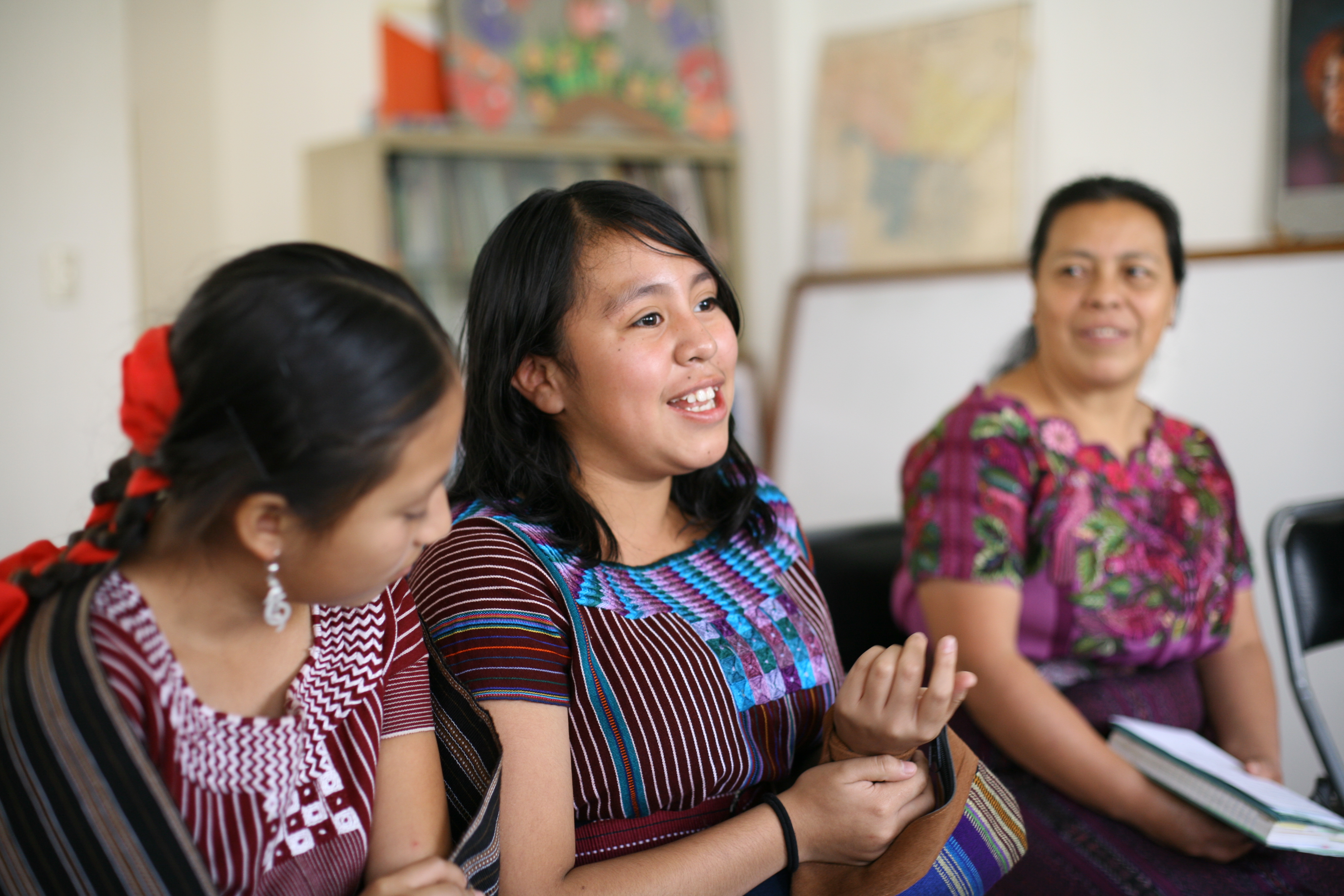
Fast forward to the present day, and the GFW is a leader in providing financial resources to groups of women in hard-to-reach places who are fighting for gender equality. I had the pleasure of spending a week with GFW staff on a December 2016 trip to visit five grant recipients in Guatemala. During the long bus rides, as we trudged up cobbled streets, and while sharing cold beers at night, I spent my time talking with staff about the role GFW plays, how they select organizations to fund, and what kind of movement they are working to build. I also spoke extensively with grantees, listening to their perspectives on GFW and their hopes for future funding.
Full disclosure--this piece of writing isn’t an uncritical rave in support of GFW. Instead, I am interested in chronicling my experience and thoughts, which may prove useful to others who are considering involving themselves with a nonprofit fund or contributing to any women’s movement organization directly.
I remain conflicted. GFW’s origin story couldn’t be more compelling, as is its overall proposition: support grassroots women’s groups who are building an interconnected women’s movement. Yet, from the outset, I questioned the overhead of giving to a fund instead of contributing to organizations directly. I spoke extensively with GFW staff about this point, and I return to the question of timing. In the 80s, it would have been nearly impossible for a donor to connect with tiny organizations in remote locations. GFW provided the service of creating a bridge that wouldn’t have otherwise existed. Now, however, it is a different era. We have the Internet. We have webpages and Facebook ads and Medium posts and Donate Now buttons. It seems that grassroots organizations can reach international donors, such that a fund might be too much overhead.
I’ve written before that at one point I dreamed about creating a company that would provide support to burgeoning nonprofits. It wouldn’t provide grants, but instead it would offer services, like tech support help to build webpages or implement Salesforce or design or marketing help to aid small nonprofits in their ability to reach out to donors. Maybe even accounting or legal support. All of these are things that are expensive and hard to come by for small organizations. Fortunately, we’re starting to see more organizations in this vein, so perhaps I am relieved of that project.
Let’s return to the value-add of a grant-giving fund. I consider myself a fairly educated donor. By this I don’t mean that other donors aren’t professionals in their own right or that they aren’t thoughtful in their philanthropy. I do mean, nonetheless, that my anthropological training has equipped me with a keen ability to seek out, evaluate, communicate with, and determine the effectiveness of a particular nonprofit organization. I have also committed a lot of time to doing this. Not all donors have the time, interest, or training to do this well. Enter an entity like GFW.
GFW does all of the research to vet and continuously communicate with globally-based organizations. On this trip to Guatemala, I was pleased to discover that they select their grant recipients through a multi-tiered process that involves native country-based advisors who each must endorse a given organization. This multi-advisor system overrides any bias or nepotism, and ensures that chosen nonprofits are focused on growing the women’s movement as a whole, by taking part in a national conversation of women’s empowerment. In-country advisors also reliably weed out ghost companies created by individuals to scam funds.
I like that donors can approach GFW as a trusted ally to guide their contributions to the best possible place. The charity landscape is saturated, and a quick visit to Charity Navigator or similar website can’t possibly help a novice to narrow down from an interest in helping women to knowing where the best place is to invest. Whether you are interested in supporting a particular geographic region or a cause, a quick search of nonprofits almost always yields dozens of organizations seeking support. There are literally hundreds of nonprofits working on education in Guatemala. How does one choose? For this reason, I enjoy communication with GFW. Through their work, I’m able to keep abreast of the causes and places that interest me, not only the work of a specific organization.
Moreover, unlike many other funding partners, GFW provides unrestricted grants, an invaluable asset to organizations that are typically burdened by donations earmarked for specific projects, such that they have no way to pay for aspects of their work that donors find “unsexy.” Trust me, someone needs to pay for the accountant or the photocopies or the bathroom cleaning supplies. These are necessities that any legitimate business needs in order to run. I’ve come across nonprofits whose already underpaid staff buy toilet paper with their own salaries because all of the grants they receive go directly to specific programs, leaving nothing to cover operations. GFW recognizes this absurdity and trusts women to decide where money is best spent.
Also, because GFW receives thousands of applications each year, the staff have a strong sense of what projects and work are most in need of funding at a global level. Some years there are an abundance of grant applications seeking help with educating women about their abilities to participate in politics. Some years the applications coalesce around human rights campaigns. Some years it’s a need to incorporate technology. GFW has the bird's eye view on the landscape of the global women’s movement and can shift in strategy and accommodate needs as they arise. In contrast, the lone donor working with one nonprofit abroad may not realize changing needs and may end up siloed in a stagnant giving situation when in reality their funds might be more productive elsewhere.
At the moment, GFW has identified three principal concerns in the women’s movement for gender equality: 1) sexual and reproductive health and rights, 2) freedom from violence, and 3) economic and political equality, and I feel confident that these concerns arose from the staff’s deep expertise. I hate the idea that GFW ever stops funding an organization, but I also appreciate knowing that they have the means to identify when a specific organization has faltered or may have already secured necessary funding for their their current budgetary needs. GFW is quick to respond to changing demands globally and shift their support as needed, and as someone who is focused on the larger picture of women’s equality, I know this is a difficult but important task.
After concluding that GFW does the best possible work with the funds they receive, I am left with my second question: is contributing to grassroots organizations the best approach to building a women’s movement, and is building a women’s movement the best approach to gaining gender equality?
On this question, I remain undetermined. Really, it becomes a question of approach; do you believe that a bottom-up approach to equality is correct, or should it be top-down? This is the question that everyone who works on issues of poverty or development or any similar branch of the inequality issue asks themselves. Who should drive change? Who has the knowledge? Who has the skills?
For my part, this is why I’m spending the bulk of my time right now working with folks at Berkeley, people more experienced than I am who have thought for their entire careers about this question of approach, because I recognize that I don’t have an answer yet.
GFW argues passionately that change can only come from a grassroots movement of women building a sustainable movement. I don’t disagree, but perhaps I would add that the world is so interconnected at this point, for better and for worse, that no community is entirely isolated. We all impact one another through production and consumption, economics and politics. Suggesting that grassroots organizations hold all of the answers is far too romantic. Most of them only survive because they secure funding from outside their communities. Instead, I suggest, there must be a more complicated bi-directional approach, wherein capital (in the form of money, technology, knowledge, political access, etc.) flows in both directions and serves to facilitate an interwoven fabric of voices, all connected, all dependent on one another for sustainability, and all pushing forward slowly against those who would silence them. Supporting the work of GFW is a step in the right direction. I’m very open to hearing to others.